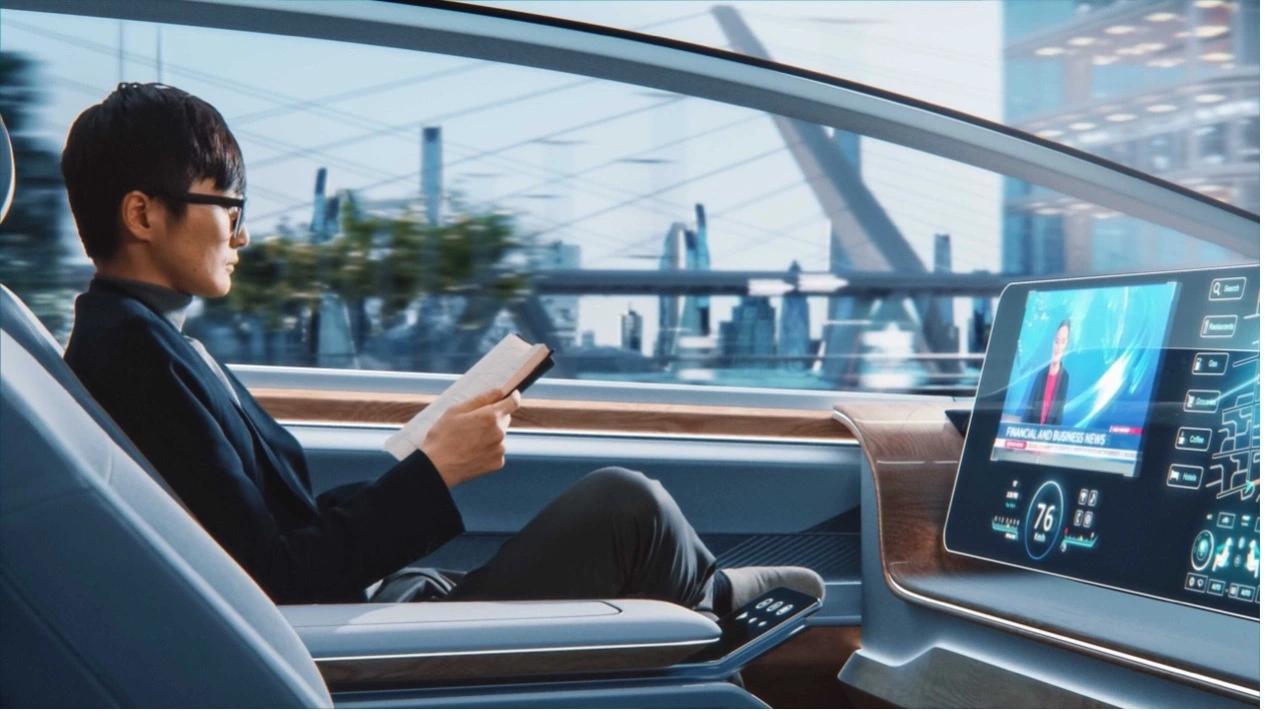
The taxi industry is entering one of its most transformative periods. What was once a simple service — a driver, a car, and a meter — is evolving into a complex, technology-driven ecosystem.
By 2027, taxis are expected to look, feel, and operate very differently. The changes are not driven by a single factor, but by a combination of technology, sustainability, and shifting passenger expectations.
Understanding these trends offers a glimpse into the future of how we will move through cities.
The Rise of Autonomous (Driverless) Taxis
One of the most talked-about changes is the emergence of robotaxis.
Companies are already investing heavily in autonomous fleets, with plans to deploy driverless taxis in multiple cities by 2027.
At the same time, the global robotaxi market is expected to grow rapidly, reaching significant scale within the next few years.
However, the transition is not as simple as replacing drivers overnight. Industry experts note that the focus is shifting from hype to practical deployment, including safety, infrastructure, and business viability.
What this means for passengers:
- More automated rides in select cities
- Gradual rollout rather than instant global adoption
- Continued presence of human drivers alongside autonomous fleets
Electric Taxis Becoming the New Standard
Another major shift is electrification.
Taxi fleets around the world are moving toward electric vehicles (EVs), driven by:
- Rising fuel costs
- Environmental regulations
- Lower long-term operating expenses
The electric taxi market is expected to grow significantly in the coming years, with strong expansion through 2030 and beyond.
By 2027, many cities will likely see:
- A majority of new taxis being electric
- Expanded charging infrastructure
- Quieter, cleaner urban transport
This shift not only reduces emissions but also changes the overall passenger experience — making rides smoother and more comfortable.
The Continued Growth of Ride-Hailing Platforms
Ride-hailing apps are already a dominant force — and their influence will continue to grow.
The global taxi and ride-hailing market is expanding rapidly, with strong demand driven by convenience, urbanization, and changing consumer behavior.
By 2027, expect:
- More integration between taxis and app-based platforms
- Smarter matching of drivers and passengers using AI
- Increased use of dynamic pricing models
At the same time, new business models are emerging. For example, driver-led platforms are being created to reduce commissions and improve earnings.
This suggests a future where the balance between drivers, platforms, and passengers continues to evolve.
Smarter, Data-Driven Transport Systems
Technology is not just changing vehicles — it’s transforming how taxis operate.
Modern taxi systems are increasingly powered by:
- Artificial intelligence for route optimization
- Real-time demand forecasting
- Integrated mobility platforms combining taxis, buses, and trains
Research shows that on-demand mobility is becoming more data-driven, influencing everything from pricing to service availability.
For passengers, this means:
- Shorter wait times
- More accurate arrival estimates
- Better overall efficiency
The Possibility of Flying Taxis
While still emerging, flying taxis are moving closer to reality.
Several projects aim to launch electric air taxis in urban areas by 2026–2027, offering a completely new layer of transport above city streets.
These services are expected to:
- Reduce travel times significantly
- Focus on airport transfers and high-demand routes
- Operate alongside traditional taxis, not replace them
Although widespread adoption may take longer, 2027 could mark the beginning of this new category.
A Shift Toward Shared and Sustainable Mobility
Another important trend is the move toward shared transport.
Instead of single-passenger rides, more services are exploring:
- Carpooling options
- Route-based shared taxis
- Multi-passenger efficiency models
This shift is driven by:
- Cost efficiency
- Environmental concerns
- Urban congestion
By increasing ride density, companies aim to make transport more affordable while reducing the number of vehicles on the road.
The Role of Structured Taxi Services
As the industry becomes more complex, reliability and clarity are becoming more important for passengers.
Travelers increasingly expect:
- Fixed pricing
- Clear booking processes
- Verified drivers and vehicles
Platforms like Taxiyo reflect this evolution by offering pre-booked transfers that prioritize transparency and consistency. In a future where pricing models, vehicle types, and technologies vary widely, having a structured and predictable option becomes even more valuable.
Rather than replacing traditional taxis, these services help bring stability to a rapidly changing industry.
What Will Stay the Same?
Despite all these changes, some aspects of taxis will remain familiar.
People will still need:
- Quick, point-to-point transport
- Reliable airport transfers
- Flexible travel options
The core purpose of taxis — convenience — will not change. What will change is how that convenience is delivered.
Final Thoughts
By 2027, the taxi industry will look very different from what we know today.
Autonomous vehicles, electric fleets, smarter platforms, and even flying taxis are all shaping the future. But these changes are happening gradually, blending new technology with existing systems.
For passengers, this means more choice, better efficiency, and improved experiences. For the industry, it marks a shift toward a more sustainable, technology-driven future.
And while the vehicles may change, the goal remains the same: getting you where you need to go — simply, safely, and efficiently.