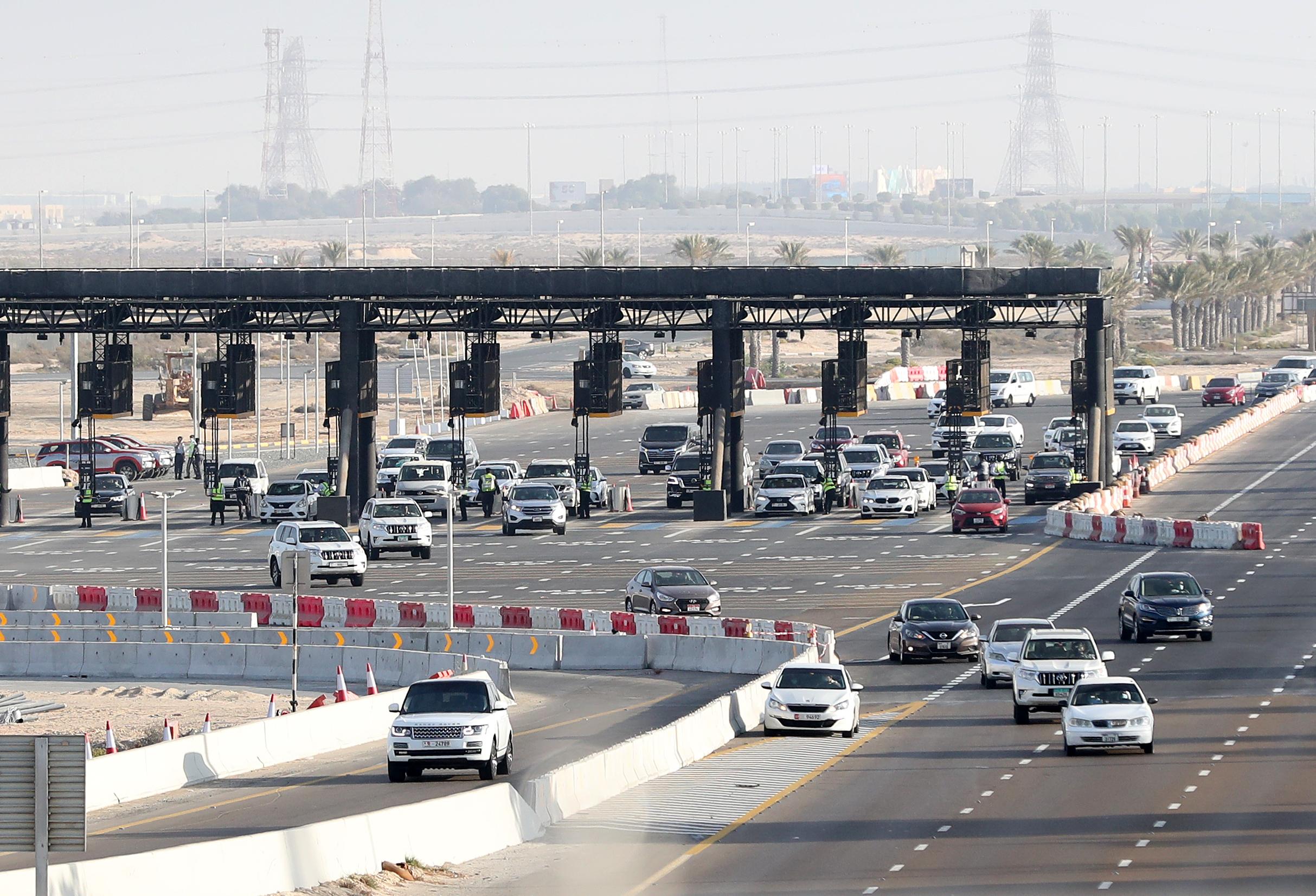
A Fragile Industry in Uncertain Times
The taxi and tourism industries are closely connected. When people travel, taxis move. When travel slows down, taxis feel the impact almost immediately.
In times of conflict or geopolitical tension, this relationship becomes even more visible. Wars and regional instability don’t just affect borders and governments — they directly influence how people move, where they travel, and whether they travel at all.
For taxi drivers, operators, and tourism businesses, even distant conflicts can reshape demand overnight.
Understanding the Broader Impact of Conflict
It’s important to be clear: major global conflicts — such as the ongoing Russia-Ukraine War or the Israel-Gaza Conflict — have had widespread effects on global travel patterns.
These impacts include:
- Reduced international tourism
- Flight cancellations and route changes
- Increased travel costs
- Heightened safety concerns
Even countries not directly involved in conflict can experience economic and tourism-related consequences.
Has Dubai Been Affected?

Despite global tensions, Dubai has not been directly affected by war or conflict.
However, like many global travel hubs, Dubai has experienced indirect effects, such as:
- Fluctuations in tourist arrivals
- Changes in flight routes due to regional airspace restrictions
- Shifts in traveler confidence
Dubai remains one of the most stable and active tourism destinations in the world, but its position as a global hub means it is still influenced by broader geopolitical developments.
For taxi services in Dubai, this translates into:
- Occasional demand fluctuations
- Seasonal inconsistencies linked to global travel patterns
Direct Impact on Conflict-Affected Countries
In countries directly affected by war, the situation is much more severe.
Taxi and tourism industries often face:
- Sharp declines in visitors
- Damaged infrastructure
- Safety risks for drivers and passengers
- Reduced daily income for drivers
In many cases, taxis shift from tourism-focused services to essential transport roles, supporting local communities instead of visitors.
The Ripple Effect Across Europe and Beyond
Conflicts like the Russia-Ukraine war have had a ripple effect across Europe.
Countries not directly involved have still experienced:
- Reduced tourist flows from affected regions
- Increased fuel prices
- Economic uncertainty
For taxi drivers, rising fuel costs are one of the most immediate challenges. Even in stable countries, operating expenses increase while demand may fluctuate.
Changing Travel Behavior
War and instability influence how people travel.
Travelers today are:
- More cautious about destinations
- More likely to choose stable regions
- Planning trips closer to home
- Booking flexible travel options
This shift affects taxi demand patterns:
- More activity in “safe” destinations
- Reduced demand in uncertain regions
- Greater unpredictability overall
Fuel Prices and Operating Costs
One of the biggest indirect impacts of conflict is rising fuel prices.
Global instability often leads to:
- Higher oil prices
- Increased transportation costs
- Pressure on taxi fares
For drivers, this creates a difficult balance:
- Higher costs
- Uncertain demand
In many cases, fare adjustments lag behind cost increases, affecting driver income.
The Role of Reliable Transport Services
In uncertain times, reliability becomes more important than ever.
Travelers want:
- Safe, verified transport
- Clear pricing
- Predictable service
This is where structured services play a role.
Platforms like Taxiyo provide pre-booked transfers with fixed pricing and verified drivers, helping travelers maintain confidence even during uncertain periods. Whether arriving in a busy hub like Dubai or navigating unfamiliar destinations, having a confirmed ride reduces stress.
Tourism Recovery and Adaptation
Despite challenges, the taxi and tourism industries are highly adaptable.
In many regions, recovery strategies include:
- Promoting safe travel corridors
- Supporting local tourism
- Investing in digital booking systems
- Improving service reliability
Taxi services are often among the first to recover, as they are essential to both local life and tourism infrastructure.
A Shift Toward Stability and Trust
Conflicts highlight the importance of trust in travel.
Passengers increasingly prioritize:
- Safety
- Transparency
- Reliability
Taxi services that can provide these qualities are more likely to maintain demand, even in uncertain conditions.
Final Thoughts
War and geopolitical tensions have a profound impact on the taxi and tourism industries — both directly and indirectly.
While cities like Dubai remain stable and continue to thrive, global conflicts still influence travel patterns, fuel costs, and passenger behavior.
For taxi drivers and operators, adaptability is key. And for travelers, informed choices and reliable services make all the difference.
Even in uncertain times, movement continues — but how we move, and where we choose to go, is constantly evolving.