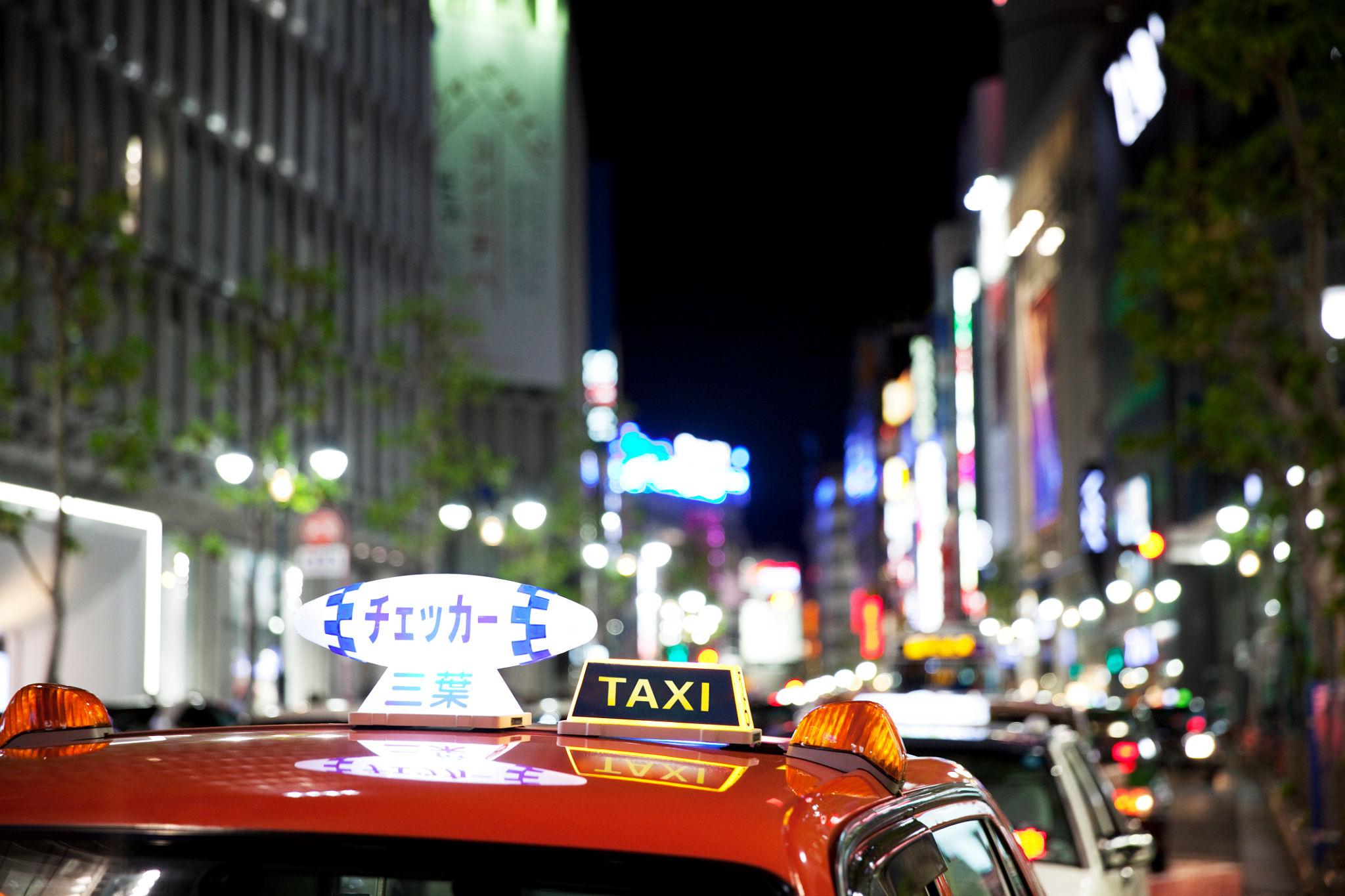
Taxis are one of the most recognizable forms of transportation on the planet. From iconic black cabs in London to colorful city taxis in Asia, every country has developed its own unique taxi culture.
While most people use taxis simply as a convenient way to get from one place to another, the industry is full of fascinating history, unusual traditions, and surprising local differences.
Here are some of the most interesting taxi facts from around the world.
1. London's black cabs require drivers to pass one of the world's toughest tests
One of the most famous taxi systems in the world can be found in London.
To become a licensed black cab driver, candidates traditionally complete a qualification known as "The Knowledge." Drivers must learn thousands of streets, landmarks, routes, and points of interest throughout the city before receiving their license.
The process has long been regarded as one of the most demanding professional navigation tests in the transportation industry.
2. Not all taxis are yellow
Many people automatically associate taxis with the color yellow, but taxi colors vary significantly across the globe.
Examples include:
- Black cabs in London
- Bright pink taxis in some Asian cities
- White taxis in parts of Europe
- Blue taxis in certain Mediterranean destinations
- Multi-colored taxi fleets in cities such as Bangkok
Different colors often indicate ownership structures, licensing categories, or specific service types. Taxiyo's travel guides frequently explore how taxi colors vary between destinations and what they mean for travelers.
3. Cuba is famous for its classic car taxis
In Cuba, visitors can still find taxi services operating with beautifully preserved vintage American cars from the 1940s and 1950s.
These vehicles have become one of the country's most photographed attractions and offer tourists a transportation experience that feels like traveling back in time.
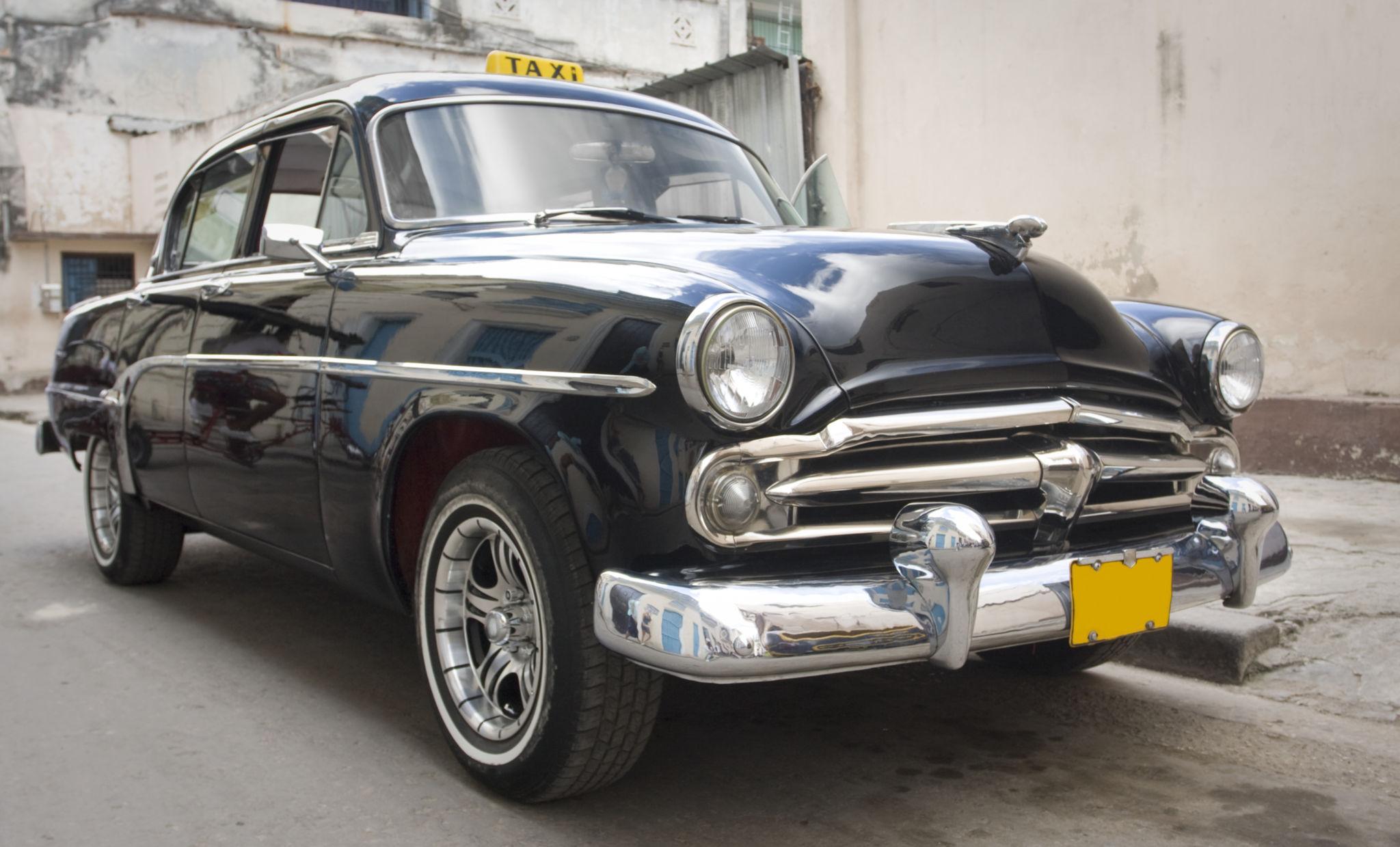
Today, classic car taxis are not just transportation—they are part of Cuba's tourism identity.
4. Some taxis operate on water
Not all taxis use roads.
In cities around the world, water taxis provide transportation across rivers, canals, and coastal areas.

Popular examples include:
- Venice, Italy
- Amsterdam, Netherlands
- Bangkok, Thailand
- Sydney, Australia
Water taxis often help travelers avoid traffic while providing unique sightseeing opportunities.
5. Tokyo taxis are known for exceptional cleanliness
Japan has earned a reputation for high service standards, and its taxi industry is no exception.
Visitors are often surprised by:
- Immaculately clean vehicles
- Professional uniforms
- Automatic rear doors
- Polite customer service
Many Tokyo taxi drivers take great pride in maintaining a premium passenger experience.
6. Airport taxis have become a global travel essential
One of the most common uses of taxis worldwide is airport transportation.
Millions of travelers rely on taxis every day to connect airports with:
- Hotels
- City centers
- Cruise terminals
- Business districts
As international travel continues to grow, airport transfers remain one of the most important segments of the global taxi industry. Platforms such as Taxiyo specialize in helping travelers arrange airport transfers and private transportation in thousands of cities worldwide.
7. The word "taxi" comes from the taximeter
Many people assume the word "taxi" refers to the vehicle itself.
In reality, the term originates from the word taximeter, the device used to calculate fares based on distance and time traveled.
Over time, passengers began referring to the vehicles themselves as taxis, and the name eventually became universal.
8. Some cities have taxi vehicles designed specifically for accessibility
Around the world, many taxi fleets now include vehicles specially designed to accommodate:
- Wheelchair users
- Elderly passengers
- Families with strollers
- Travelers carrying large amounts of luggage
Accessibility has become an increasingly important part of modern transportation planning.
9. Taxi services operate in more than 100 countries through global booking platforms
The rise of digital booking systems has transformed how travelers arrange transportation.
Instead of searching for local taxi numbers after arrival, many passengers now pre-book transportation before traveling.
For example, Taxiyo provides transportation booking services across more than 100 countries and thousands of cities, helping travelers arrange rides before they even leave home.
10. Taxi drivers are often among the best local guides
Experienced taxi drivers frequently possess extensive knowledge about their cities.
Passengers often receive recommendations for:
- Restaurants
- Attractions
- Hotels
- Scenic routes
- Local customs
For visitors exploring a destination for the first time, a taxi driver can sometimes provide insights that no guidebook can match.
11. Taxis existed long before smartphones
While ride-hailing apps have changed transportation in recent years, taxis have existed for centuries.
Horse-drawn taxi services operated in major European cities long before the invention of automobiles.
The industry has continuously evolved through:
- Motor vehicles
- Radio dispatch systems
- GPS navigation
- Online booking platforms
Despite technological changes, the core purpose remains the same: helping people travel safely and efficiently.
12. Every city has its own taxi culture
One of the most fascinating aspects of taxi travel is how different the experience can be from one destination to another.
Travelers may encounter:
- Unique vehicle types
- Different payment systems
- Distinct licensing rules
- Local customs and etiquette
- Specialized airport transfer services
These differences make taxi transportation an interesting reflection of local culture and urban life.
Final thoughts
Taxis are much more than simple transportation vehicles. They are part of the history, culture, and daily life of cities around the world.
From London's famous black cabs and Cuba's vintage car taxis to Tokyo's renowned service standards, every destination offers its own unique taxi experience.
For modern travelers, services such as Taxiyo make it easier than ever to navigate these differences by arranging transportation in advance, whether for airport transfers, city travel, or long-distance journeys.