When people think about transportation in North Korea, taxis are usually not the first thing that comes to mind. The country is often associated with strict regulations, limited international tourism, and a transportation network that differs significantly from those found in most parts of the world.
However, many visitors who have traveled to North Korea are surprised to discover that taxis do operate in the country—and in some ways, they are quite different from what travelers might expect.
From state involvement and unique operating structures to modern vehicles appearing in major cities, North Korea's taxi system offers a fascinating glimpse into one of the world's most isolated transportation environments.
Do taxis exist in North Korea?
The simple answer is yes.
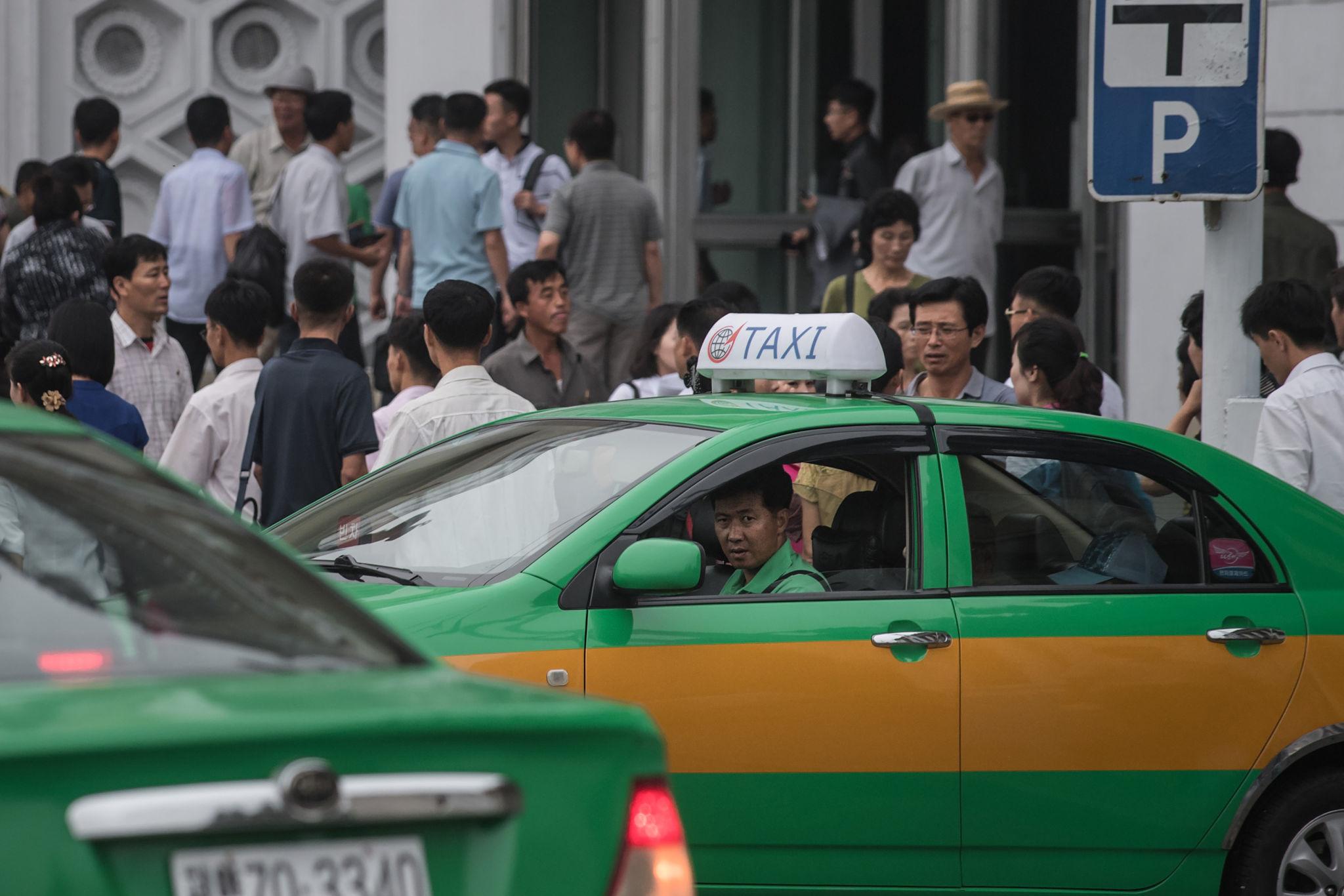
Taxis operate primarily in Pyongyang, the country's capital and largest city.
While private vehicle ownership remains relatively uncommon compared to many countries, taxis provide transportation for residents, officials, business visitors, and international tourists who are authorized to visit the country.
Unlike many Western taxi systems, North Korean taxi services are generally linked to state-controlled or state-approved organizations.
Most taxi services are connected to the state
One of the most unusual aspects of North Korea's taxi industry is the level of government involvement.
Many transportation services operate under state-owned enterprises or organizations with close government oversight.
This means that taxi operations are often managed differently from the privately owned fleets commonly found in Europe, North America, and many parts of Asia.
For visitors, this creates a transportation system that functions within the country's broader centrally managed economic structure.
The vehicles may be more modern than expected
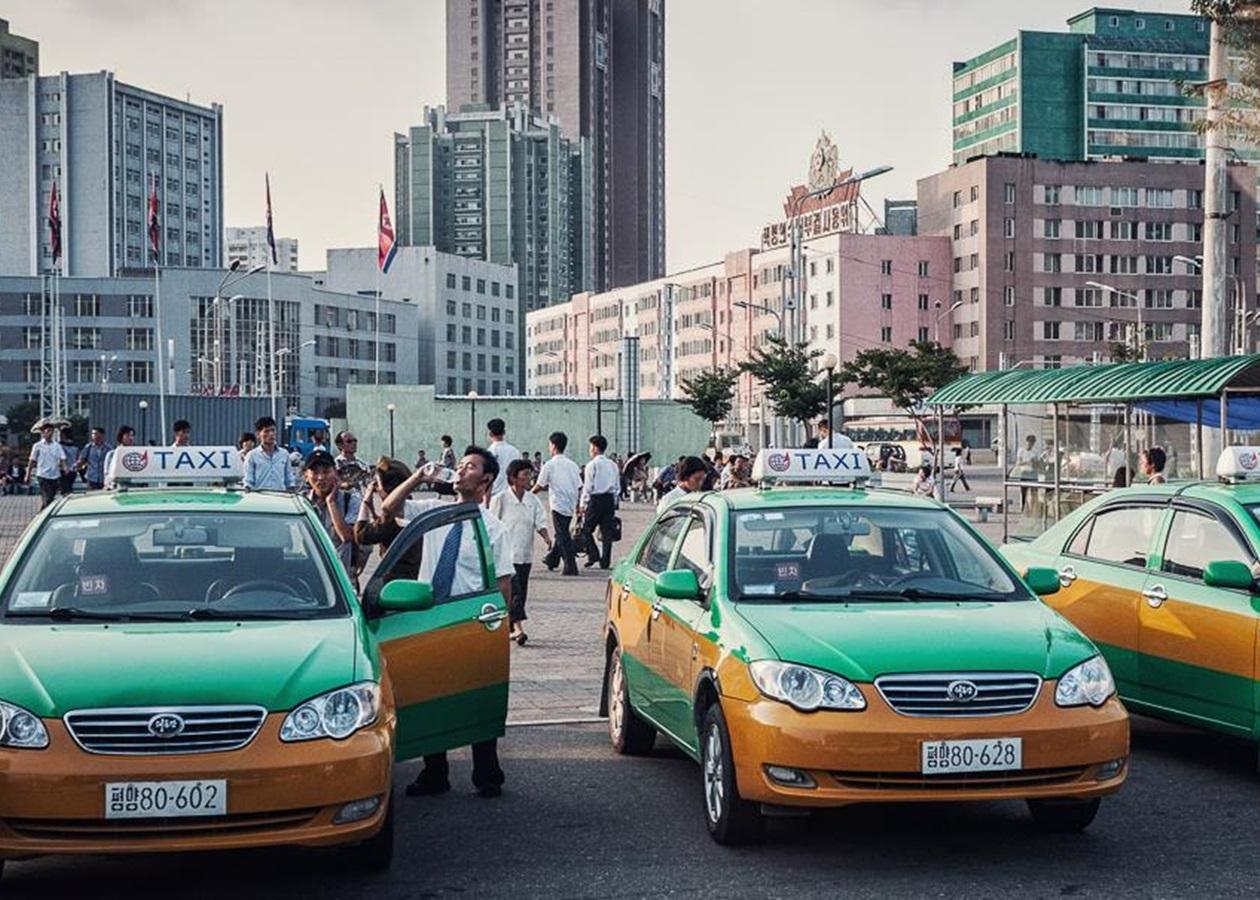
Many travelers are surprised by the appearance of some taxis operating in Pyongyang.
While older vehicles can still be found, reports from visitors over the past decade have noted increasing numbers of:
- Modern sedans
- Locally assembled vehicles
- Imported models from neighboring countries
- Newer fleet vehicles operating in urban areas
This often contrasts with international perceptions that all transportation infrastructure in North Korea consists of older vehicles.
As with many aspects of the country, reality can be more complex than outsiders expect.
Taxi colors help distinguish official vehicles
Visitors to Pyongyang frequently notice that taxis are easy to identify due to their distinctive colors.
Various taxi fleets have operated with recognizable paint schemes designed to separate them from ordinary vehicles.
This visual distinction helps passengers identify official taxi services operating within the city.
In many respects, the approach is similar to how cities around the world use specific vehicle colors for licensed taxis.
Taxis are concentrated in major urban areas
Unlike countries with extensive nationwide taxi networks, North Korean taxi services are primarily concentrated in larger cities.
Most documented taxi activity occurs in:
- Pyongyang
- Major transportation hubs
- Areas frequented by visitors
- Important government and commercial districts
Outside these areas, transportation options can be considerably more limited.
This concentration reflects both population patterns and infrastructure priorities.
Public transportation remains important
Although taxis are available, much of North Korea's urban transportation relies on:
- Buses
- Trams
- Trolleybuses
- The Pyongyang Metro
As a result, taxis play a different role than they do in many countries where ride-hailing services and private vehicle ownership dominate daily transportation.
For many residents, public transport remains the primary means of moving around the city.
Tourism and taxi use
International tourism to North Korea remains highly regulated.
Visitors generally travel through organized tours that coordinate transportation arrangements in advance.
As a result, tourists do not typically use taxis in the same way they might in destinations such as London, Paris, or Bangkok.
Instead, transportation is often planned as part of the broader travel itinerary.
This differs significantly from modern travel markets where visitors can book transportation independently at any time.
Transportation planning matters everywhere
One interesting lesson from North Korea's transportation system is the importance of planning.
Whether traveling in a highly regulated environment or a major international destination, reliable transportation arrangements can significantly improve the travel experience.
Many modern travelers now prefer to organize airport transfers and ground transportation before departure rather than making arrangements after arrival.
How Taxiyo helps travelers worldwide
While North Korea remains a unique case within the global transportation industry, most international destinations now offer far more flexible booking options.
Services such as Taxiyo allow travelers to arrange transportation in advance across thousands of cities worldwide.
Taxiyo helps passengers:
- Pre-book airport transfers
- Access fixed pricing
- Schedule professional drivers
- Organize transportation before arrival
- Reduce uncertainty when visiting unfamiliar destinations
For travelers accustomed to planning ahead, pre-arranged transportation has become an increasingly popular way to simplify international travel.
Why North Korean taxis continue to fascinate travelers
Part of the fascination surrounding North Korean taxis comes from the fact that they challenge common assumptions.
Many people are surprised to learn that:
- Taxis operate regularly in Pyongyang
- Modern vehicles can be found within taxi fleets
- Transportation services function within a state-managed framework
- Taxi operations coexist alongside extensive public transport networks
These characteristics make North Korea one of the more unique transportation environments in the world.
Final thoughts
North Korea's state-owned taxi system offers an interesting example of how transportation can develop under a very different economic and regulatory model.
While the country's taxi industry may not resemble those found in most international destinations, it remains an important part of urban mobility in Pyongyang and other key areas.
For transportation enthusiasts and travelers alike, North Korean taxis provide a fascinating reminder that every country develops its own approach to moving people efficiently.
And while transportation systems vary dramatically around the world, one principle remains universal: reliable planning helps create smoother journeys. Today, services such as Taxiyo help travelers achieve that goal across thousands of destinations worldwide.