Traveling across Southeast Asia offers visitors a wide range of transportation options. Among the most common choices are tuk-tuks and taxis. Both are widely available, affordable compared to Western standards, and deeply integrated into local urban life. However, deciding which one to use depends on factors such as distance, comfort, safety, cost, and overall travel experience.
This guide compares tuk-tuks and taxis across major Southeast Asian destinations, helping travelers make informed decisions based on real-world conditions, local regulations, and current transport trends.
What Is a Tuk-Tuk?
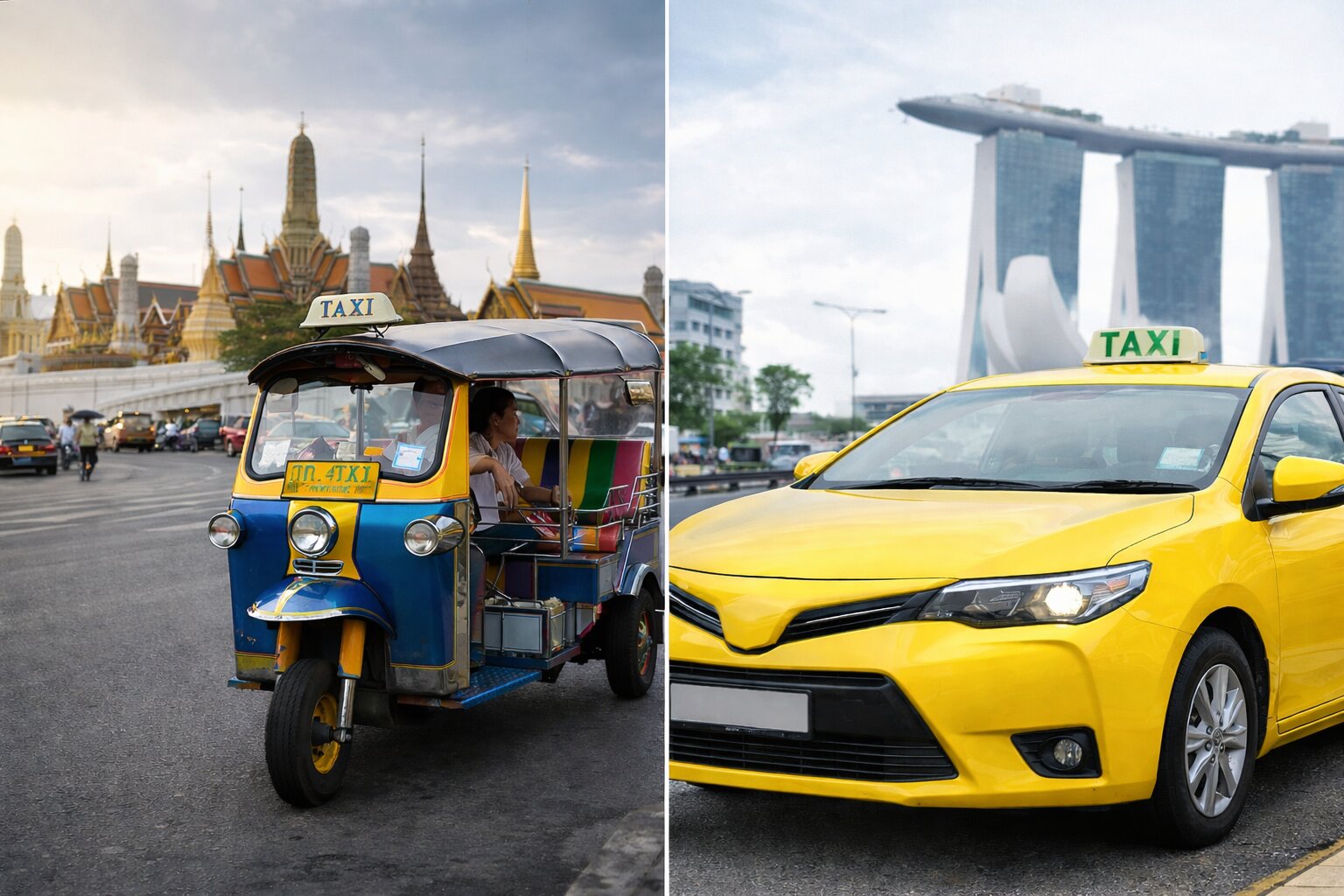
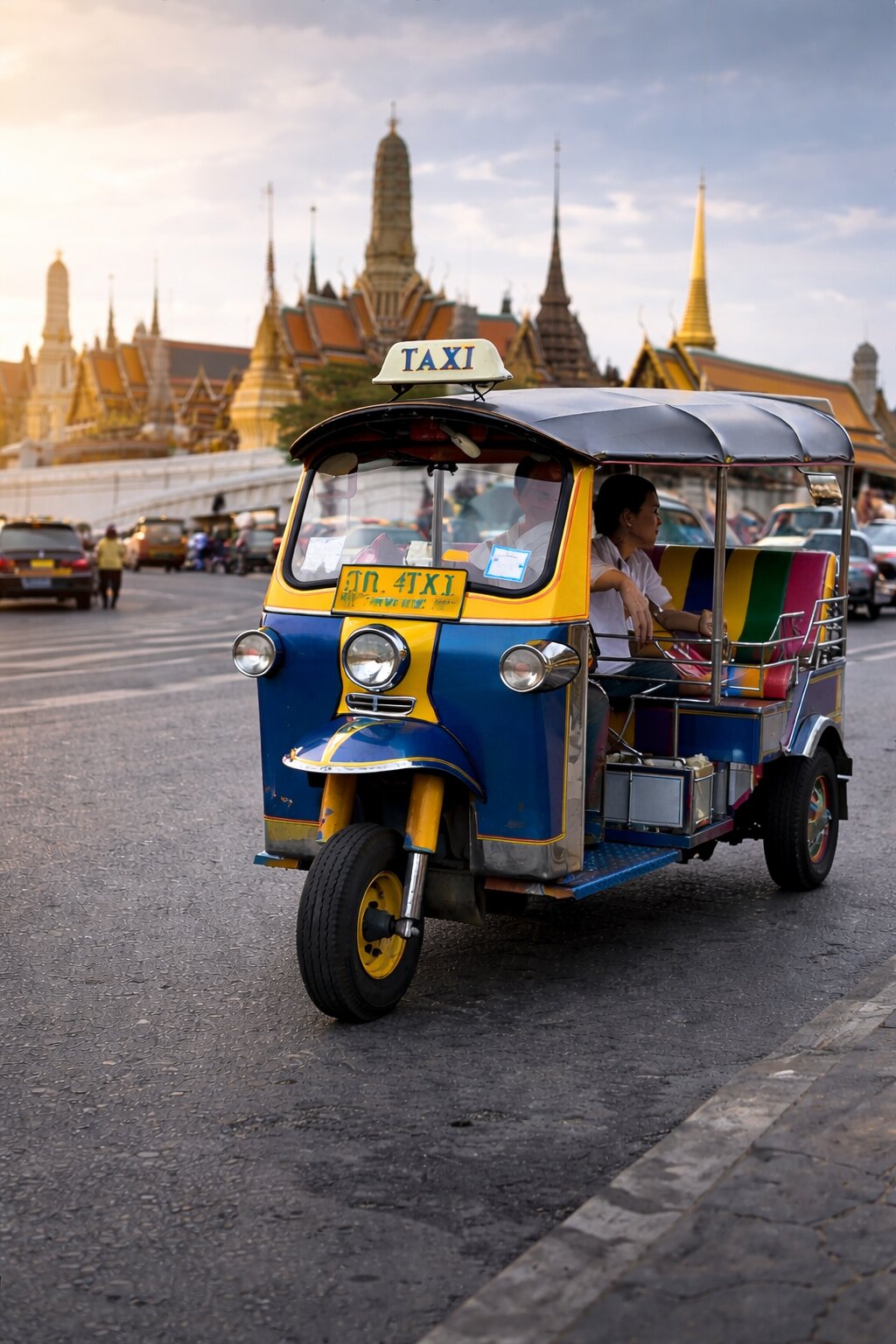
A tuk-tuk (also known as a rickshaw in some parts of the world) is a three-wheeled motorized vehicle commonly used for short urban trips. While designs vary by country, the concept remains similar: a compact cabin attached to a motorcycle-style front end. Tuk-tuks are especially common in cities such as Bangkok, Phnom Penh, and Hanoi.
In Thailand, tuk-tuks are considered both a practical means of transportation and a cultural symbol. In Cambodia, they are often motorcycle-pulled carriages rather than fully motorized tricycles. In Vietnam, traditional tuk-tuks are less common, replaced in many areas by ride-hailing motorbike taxis.
Tuk-tuks are typically used for short distances, local sightseeing, and navigating congested city streets where larger vehicles struggle.
What Defines a Taxi in Southeast Asia?
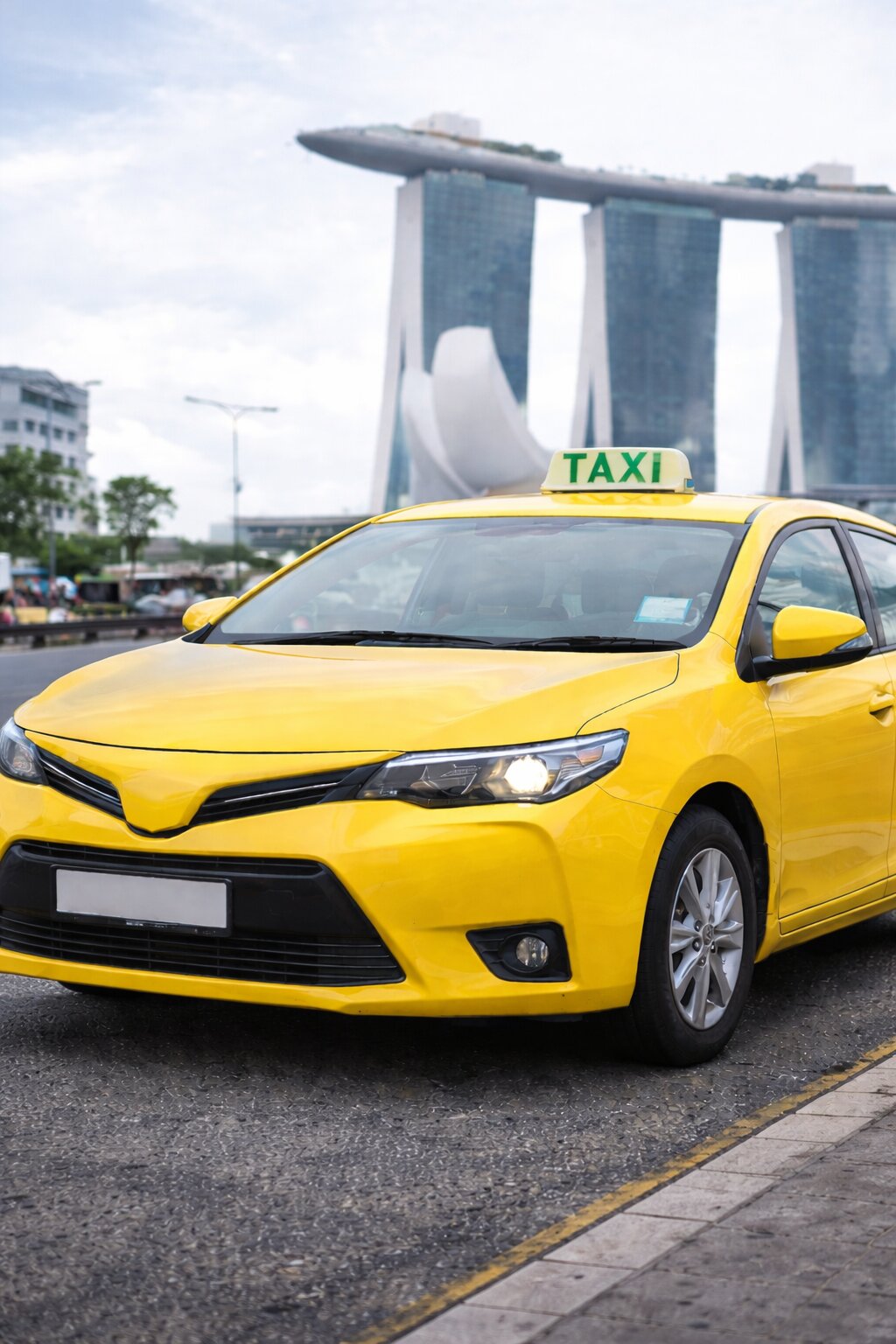
Taxis in Southeast Asia operate similarly to taxis in Europe or North America. They are usually metered, air-conditioned sedans regulated by city transport authorities. Major cities such as Singapore, Kuala Lumpur, and Manila offer licensed taxi fleets alongside app-based ride-hailing services.
In many destinations, taxis can be booked through global platforms like Grab, which has become one of the region’s dominant mobility providers. Meter usage varies by country. In Singapore, meters are strictly enforced. In Bangkok, drivers are legally required to use meters, though occasional refusals still occur in tourist-heavy areas.
Taxis generally provide greater comfort, weather protection, and standardized pricing compared to tuk-tuks.
Cost Comparison: Tuk-Tuks vs. Taxis
One of the biggest factors influencing traveler choice is price. Tuk-tuks often appear cheaper at first glance, but they rarely use meters. Pricing is typically negotiated before the ride. In tourist districts, initial quotes may be inflated, requiring bargaining skills.
Taxis, especially when booked via apps, usually offer transparent, distance-based pricing. For longer journeys, taxis often become more economical than tuk-tuks, particularly when traffic conditions increase travel time.
For short distances within city centers, tuk-tuks may cost slightly more than metered taxis due to tourist pricing. However, for group travel of three passengers, tuk-tuks can sometimes offer competitive flat rates.
Comfort and Climate Considerations
Southeast Asia’s tropical climate plays a major role in transportation decisions. Cities such as Bangkok and Ho Chi Minh City regularly experience high humidity and temperatures exceeding 30°C.
Taxis provide air conditioning, enclosed cabins, and protection from heavy rainfall during monsoon seasons. Tuk-tuks are open-air vehicles. While this offers a more immersive experience, it also exposes passengers to heat, traffic pollution, and sudden rain.
For short sightseeing trips in cooler evening hours, tuk-tuks can be enjoyable. For airport transfers or longer cross-city travel, taxis are typically more comfortable.
Safety and Regulation
Safety standards vary across Southeast Asia. Licensed taxis are usually subject to vehicle inspections, insurance requirements, and driver background checks. Countries such as Singapore maintain strict regulatory oversight of taxi operations.
Tuk-tuks operate under less standardized frameworks in many regions. Seatbelts are often absent, and vehicle stability may be reduced compared to four-wheel cars. While serious incidents are relatively rare, passengers should assess road conditions and driver behavior carefully.
Using app-based taxi services can enhance safety by providing driver identification, trip tracking, and digital payment records.
Cultural Experience vs. Practical Efficiency
For many travelers, tuk-tuks represent a memorable cultural experience. Riding through bustling streets in Phnom Penh or exploring historic neighborhoods in Bangkok by tuk-tuk can feel authentic and engaging.
Taxis, on the other hand, focus on efficiency. Business travelers, families with children, and individuals carrying luggage often prefer taxis due to convenience and predictability.
In destinations such as Chiang Mai, tuk-tuks are frequently used for short local transfers, while taxis or ride-hailing vehicles dominate airport routes.
Airport Transfers: Which Is Better?
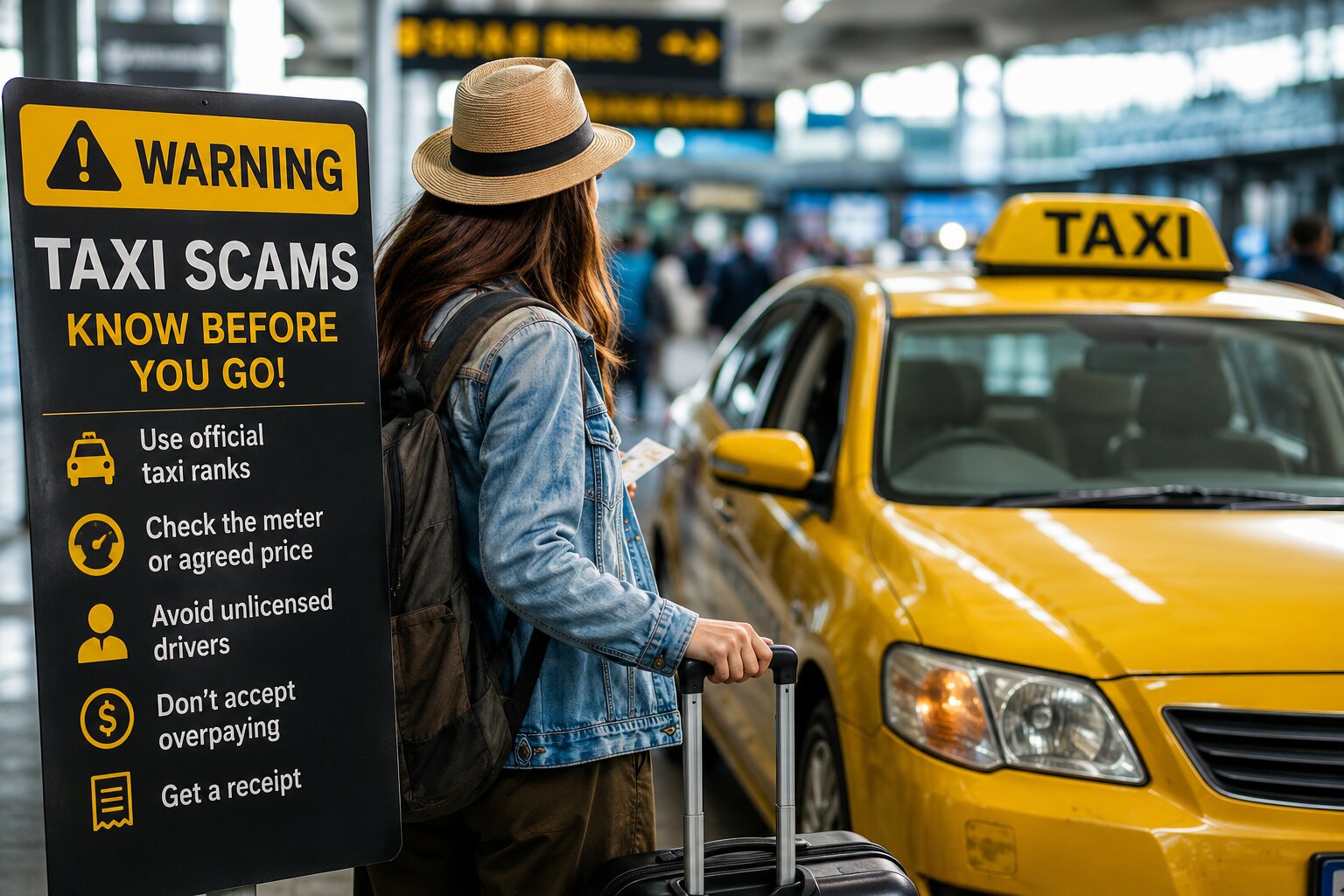
For airport transfers, taxis generally offer a more reliable solution. Airports in Kuala Lumpur and Singapore have regulated taxi stands with fixed pricing structures or official meters.
Tuk-tuks are rarely permitted at major international airports due to highway restrictions and luggage limitations. Even where available, their storage capacity is limited.
Travelers arriving late at night or during heavy rain are advised to choose licensed taxis or verified ride-hailing services.
Environmental Impact
Environmental concerns are increasingly relevant in Southeast Asia’s rapidly urbanizing cities. Many taxi fleets are transitioning to hybrid or electric vehicles, particularly in Singapore.
Traditional tuk-tuks often rely on small gasoline engines, which may produce higher emissions relative to vehicle size. However, electric tuk-tuk initiatives are emerging in tourist hubs seeking to reduce pollution.
From a sustainability perspective, modern taxi fleets may offer lower emissions depending on vehicle type.
When to Choose a Tuk-Tuk
A tuk-tuk may be the right choice if:
- You are traveling a short distance within a city center.
- You want a local, open-air experience.
- You are sightseeing without heavy luggage.
- You are comfortable negotiating fares in advance.
Tuk-tuks are ideal for informal city exploration and daytime cultural immersion.
When to Choose a Taxi
A taxi is usually preferable if:
- You need air conditioning and weather protection.
- You are traveling long distances.
- You require predictable pricing.
- You are heading to or from an airport.
- You prioritize safety features and regulated standards.
Taxis offer greater reliability, especially for first-time visitors unfamiliar with local fare negotiation customs.
Final Verdict: Tuk-Tuk or Taxi?
The choice between tuk-tuks and taxis in Southeast Asia depends on travel priorities. Tuk-tuks provide cultural immersion, short-distance flexibility, and memorable urban experiences. Taxis deliver comfort, regulation, and pricing transparency.
Experienced travelers often use both options strategically. A taxi for airport transfers and long routes. A tuk-tuk for exploring markets, historic quarters, or riverside districts.
Understanding local transport norms allows visitors to balance cost, comfort, and safety effectively.