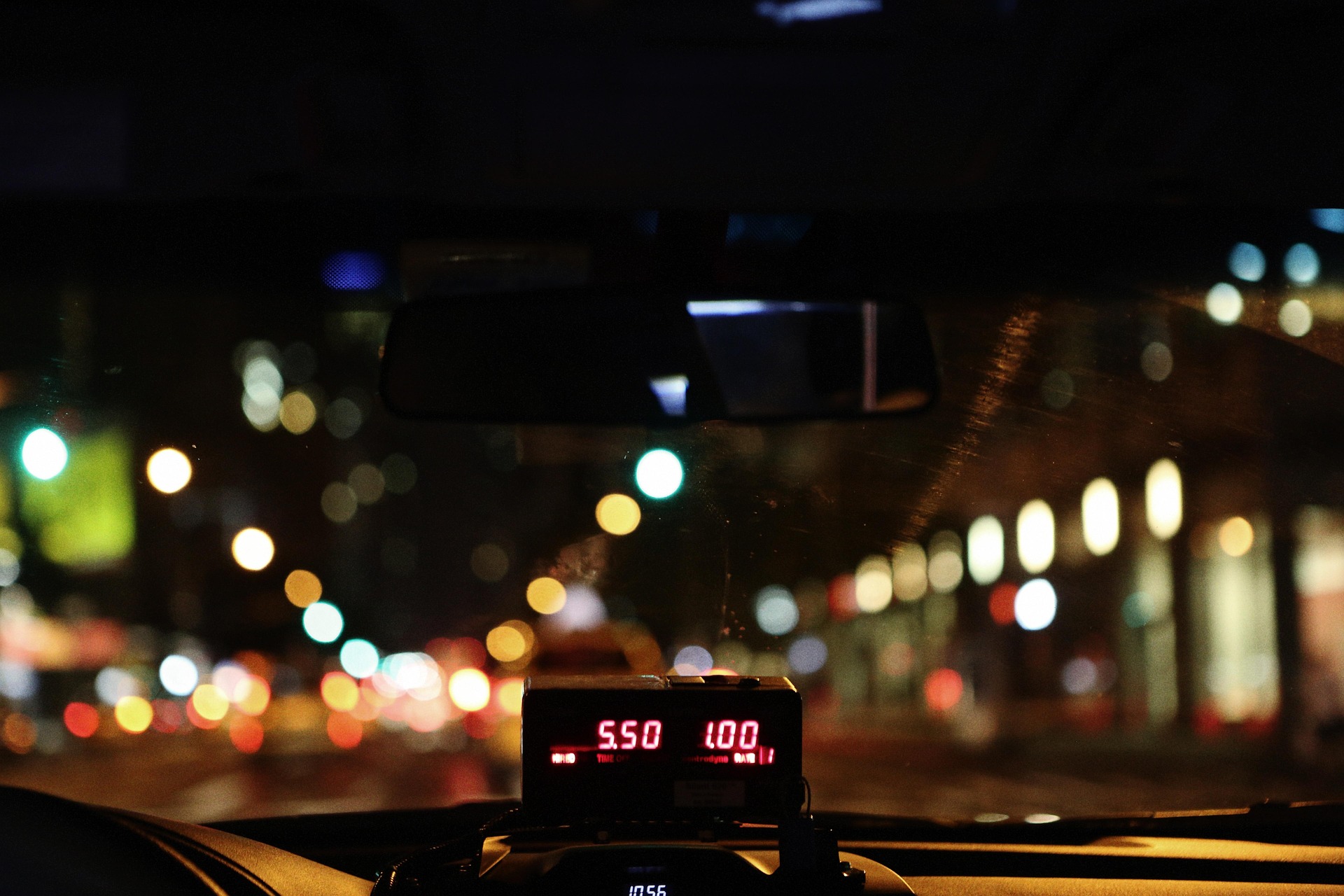
Taxi fares have increased again in 2026 across many regions, and passengers are feeling the impact in nearly every major city. While the price rise may seem sudden, it is actually the result of several layered economic, regulatory, and operational factors affecting the entire transport industry.
Understanding these changes is important for both passengers and drivers, especially as urban mobility continues to evolve under inflationary pressure and rising service costs.
1. Inflation and rising operational costs
One of the biggest drivers of higher taxi fares in 2026 is global inflation, which has increased the cost of running almost every aspect of transport services.
Taxi operators are facing higher expenses in:
- Vehicle maintenance and spare parts
- Insurance premiums
- Vehicle financing and leasing costs
- Administrative and licensing fees
As a result, taxi companies adjust fares to maintain sustainable operations and ensure drivers can continue working profitably.
Even modest inflation leads to noticeable fare increases when applied across thousands of daily trips.
2. Fuel price volatility continues to impact fares
Fuel remains one of the most significant cost components for taxi services.
In 2026, many countries introduced or continued fuel tax adjustments and energy market corrections, leading to higher petrol and diesel prices. These changes directly influence taxi pricing models.
For example, in some regions:
- Fuel excise taxes were increased from January 2026
- Transport energy tariffs rose in line with national indexation policies
- Fuel supply fluctuations added short-term price pressure
Because taxis operate continuously throughout the day, even small increases in fuel cost per liter translate into substantial monthly losses for drivers unless fares are adjusted accordingly.
3. Government regulation and tariff indexation
In many countries, taxi fares are not set freely but are instead regulated by transport authorities.
In 2026, several governments applied annual tariff indexation mechanisms, meaning taxi prices were automatically adjusted based on:
- National inflation rates
- Average wage growth
- Fuel and maintenance cost indices
For instance, official updates in some European markets confirmed fare increases linked to regulated adjustments for 2026, ensuring taxi pricing remains aligned with operating costs rather than fixed historical rates.
This ensures driver income stability but also results in predictable annual fare increases for passengers.
4. Driver shortages and labor cost pressure
Another major reason taxi fares are rising is the ongoing shortage of professional drivers.
Across many urban areas:
- Fewer new drivers are entering the industry
- Licensing requirements remain strict
- Competition with ride-hailing platforms continues
To attract and retain drivers, taxi companies are forced to improve earnings. The most direct way to do this is through higher per-kilometer fares and updated base charges.
In many cities, wage growth expectations for drivers have outpaced fare increases from previous years, creating further upward pressure.
5. Vehicle technology and sustainability costs
Modern taxi fleets are rapidly transitioning toward:
- Hybrid vehicles
- Electric taxis
- Low-emission or zero-emission fleets
While this shift supports environmental goals, it also increases costs:
- Electric vehicles have higher upfront prices
- Charging infrastructure investment is required
- Fleet renewal cycles are shorter
These investments are often partially recovered through fare adjustments, especially in regulated taxi markets.
6. Insurance and safety compliance increases
Taxi operators are also facing rising insurance costs in 2026 due to:
- Higher repair costs for modern vehicles
- Increased accident claim values
- Stricter safety compliance requirements
Insurance premiums are one of the most overlooked but significant contributors to fare increases, especially for commercial passenger transport services.
7. Demand recovery and urban congestion
Post-pandemic mobility patterns have stabilized, but demand for taxis has increased in major cities due to:
- Higher tourism activity
- Increased airport transfers
- Reduced private car ownership in some urban areas
At the same time, traffic congestion has worsened in many metropolitan regions, meaning:
- Longer trip times
- Higher meter-based fares
- Reduced driver efficiency per hour
This combination naturally pushes average ride prices higher.
Final thoughts
Taxi prices in 2026 are not rising due to a single factor, but rather a combination of inflation, fuel costs, regulation, labor shortages, and industry modernization.
While passengers may feel the increase immediately, the adjustments are largely designed to ensure that taxi services remain operational, sustainable, and capable of meeting modern transport demand.
As urban mobility continues to evolve, fare adjustments are likely to remain a regular part of the industry’s economic cycle.