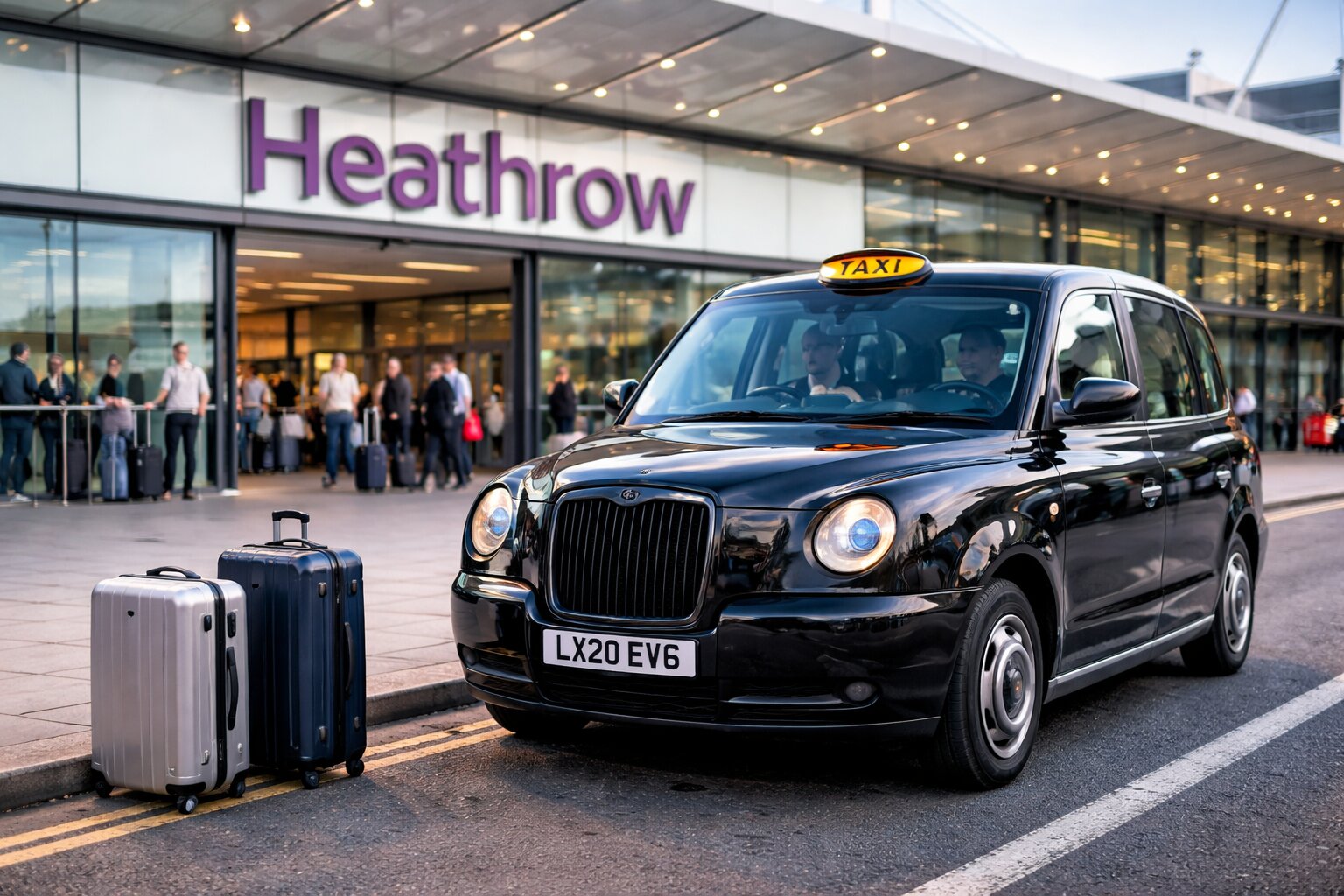
London’s iconic black cabs are not just a symbol of the city — they are also becoming a symbol of a cleaner, greener future. With rising concerns over air pollution and climate change, the capital is embracing electric taxi technology to transform its taxi fleet and reduce emissions while preserving one of its most beloved traditions.
From Classic Hackney Carriages to Zero‑Emission Machines
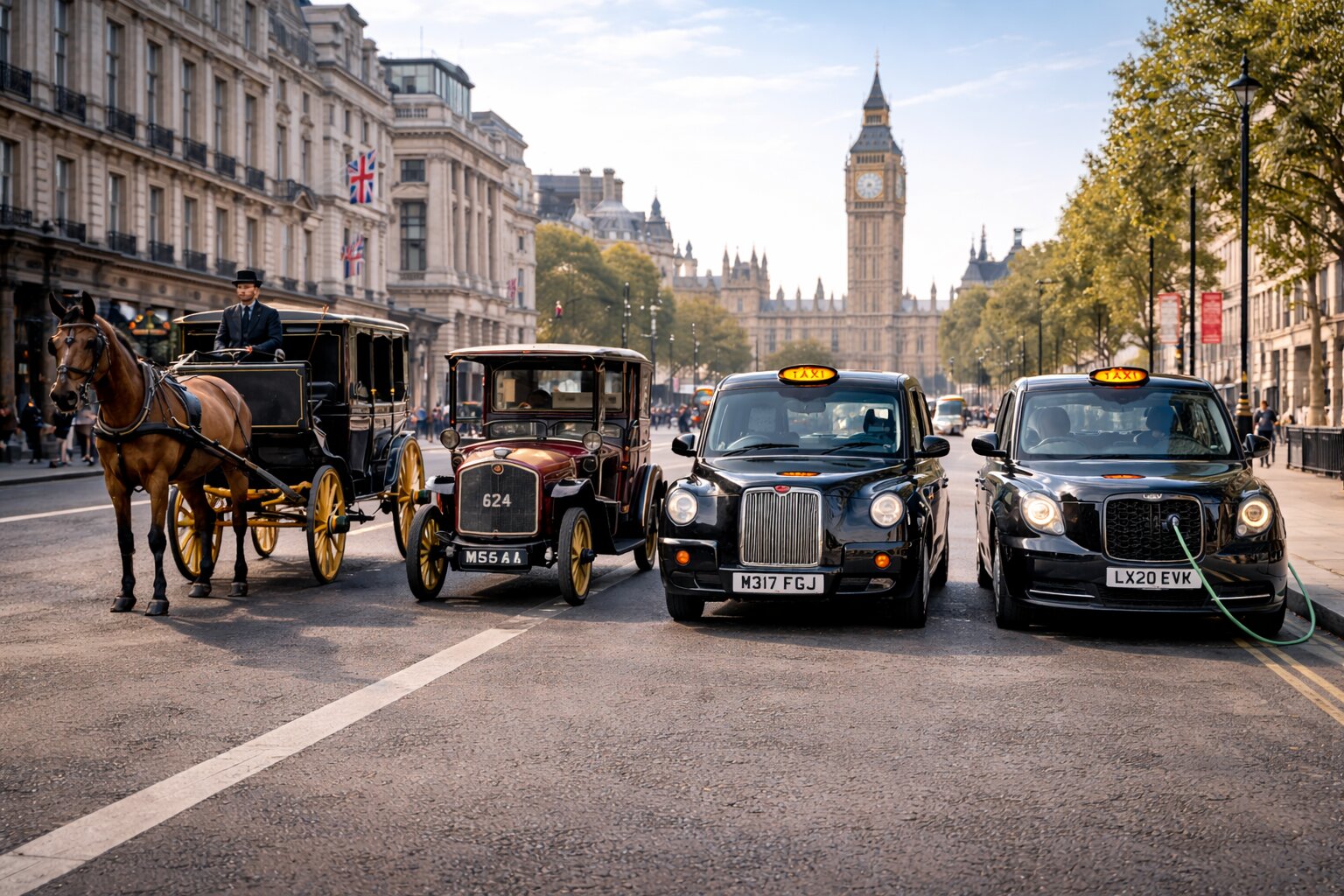
The story of electric taxis in London isn’t entirely new. Over a century ago, in 1897, London briefly saw the first electric taxis known as the Bersey Electric cabs, nicknamed “Hummingbirds” for their distinctive sound. Although these early electric vehicles were phased out due to technical limitations, they set an early precedent for emissions‑free taxi transport in the city.
More than a century later, the push for sustainable transport has led to a significant shift. In 2018, London’s transport authority mandated that only zero‑emission capable vehicles can be newly licensed as taxis — a move that changed the future of London’s taxi industry.
Why London Is Going Electric
Transport for London (TfL) and city leadership have prioritized reducing air pollution and meeting climate goals. Air quality in central London has long been a concern, with diesel‑powered vehicles contributing significantly to harmful emissions. Electric taxis help address this by drastically cutting nitrogen oxides (NOx) and other pollutants — supporting a healthier urban environment for residents and visitors alike.
In addition to environmental benefits, electric cabs provide quieter and smoother rides, which enhances the passenger experience. Their modern drivetrains also offer better fuel economy and lower operating costs for drivers — a key factor in long‑term sustainability.
The Electric Taxi Fleet Today
Thanks to the efforts of manufacturers like the London Electric Vehicle Company (LEVC), electric black cabs are no longer the future — they’re already on the road. Today, more than half of London’s taxi fleet is zero‑emission capable, with a growing number of fully electric and extended‑range models serving passengers across the city.
One of the most recognizable vehicles in this transition is the LEVC TX, a purpose‑built electric taxi capable of meeting TfL’s emission regulations. Introduced in 2018, the TX has since become the backbone of London’s electric taxi revolution, replacing older diesel‑powered Hackney carriages and modernizing the fleet.
Challenges and Opportunities
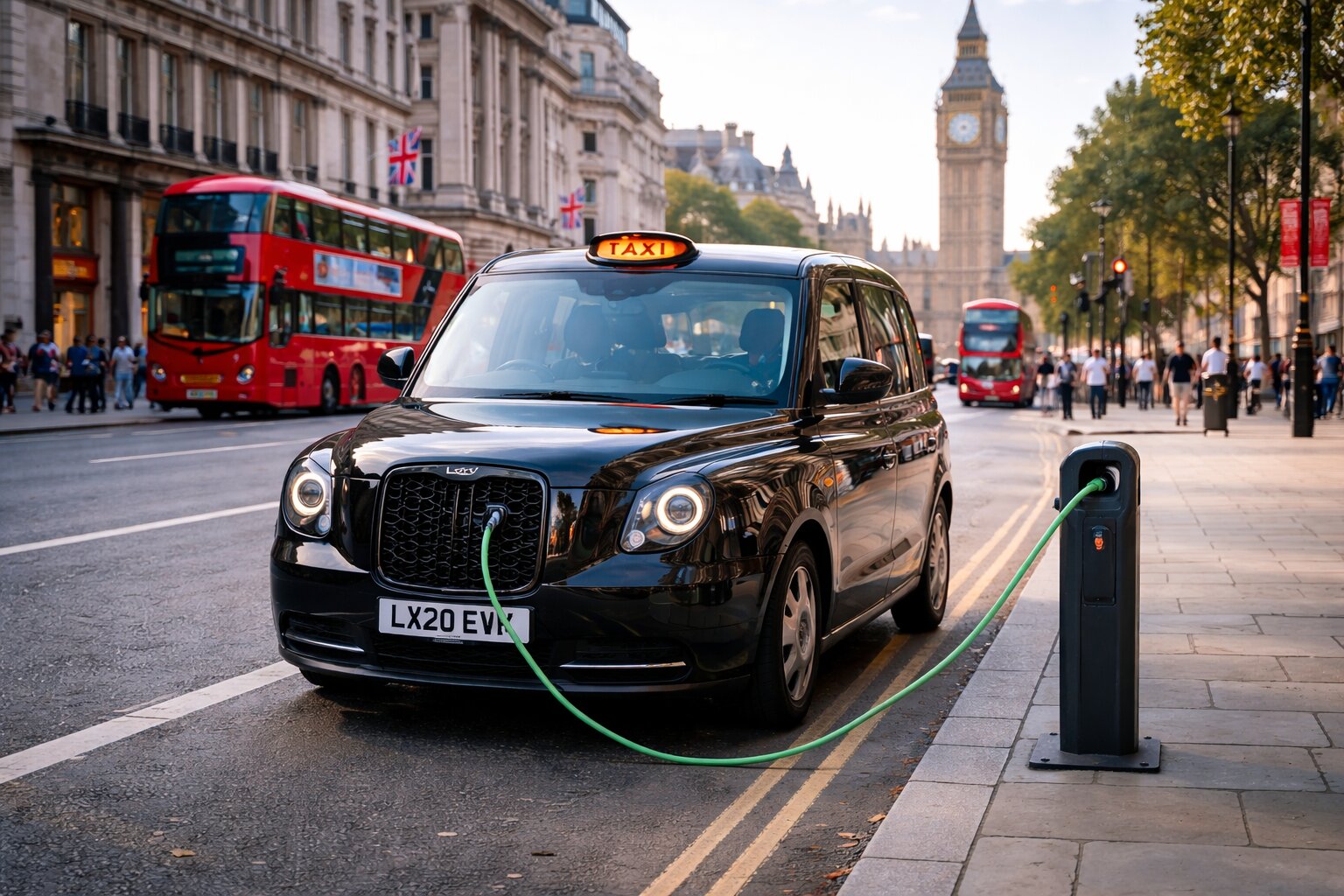
Transitioning an iconic taxi fleet is not without its challenges. Electric taxis initially carried higher upfront costs than traditional diesel models, and the infrastructure to support widespread electric vehicle charging has had to expand rapidly to keep pace. Despite these obstacles, both public and private sectors have worked together to invest in charging networks and financial incentives for drivers.
Furthermore, competition from ride‑hailing services and emerging technologies like autonomous vehicles continues to reshape the mobility landscape in London. Yet many taxi drivers and industry stakeholders remain committed to electric cabs as a cornerstone of sustainable, professional transport in the capital.
A Greener Future for London’s Streets
The transition to electric taxis is more than a technological upgrade — it’s a cultural shift. London is preserving its historic black cab tradition while embracing a more sustainable future. Electric cabs demonstrate that environmental responsibility and iconic urban heritage can go hand‑in‑hand, improving life for both drivers and passengers.
As London continues its journey toward net‑zero emissions and cleaner air, electric cabs are already proving that they’re not just a trend — they’re the future of sustainable urban transportation.