London’s taxi service — known the world over for its iconic black cabs and knowledgeable drivers — has a long and fascinating history. From humble beginnings in the 17th century to today’s cutting‑edge electric taxis, London cabs have continually adapted to meet the needs of a growing and changing city. This evolution reflects not only technological progress but also London’s commitment to public service, innovation, and sustainability.
The Beginnings: Hackney Carriages on London Streets
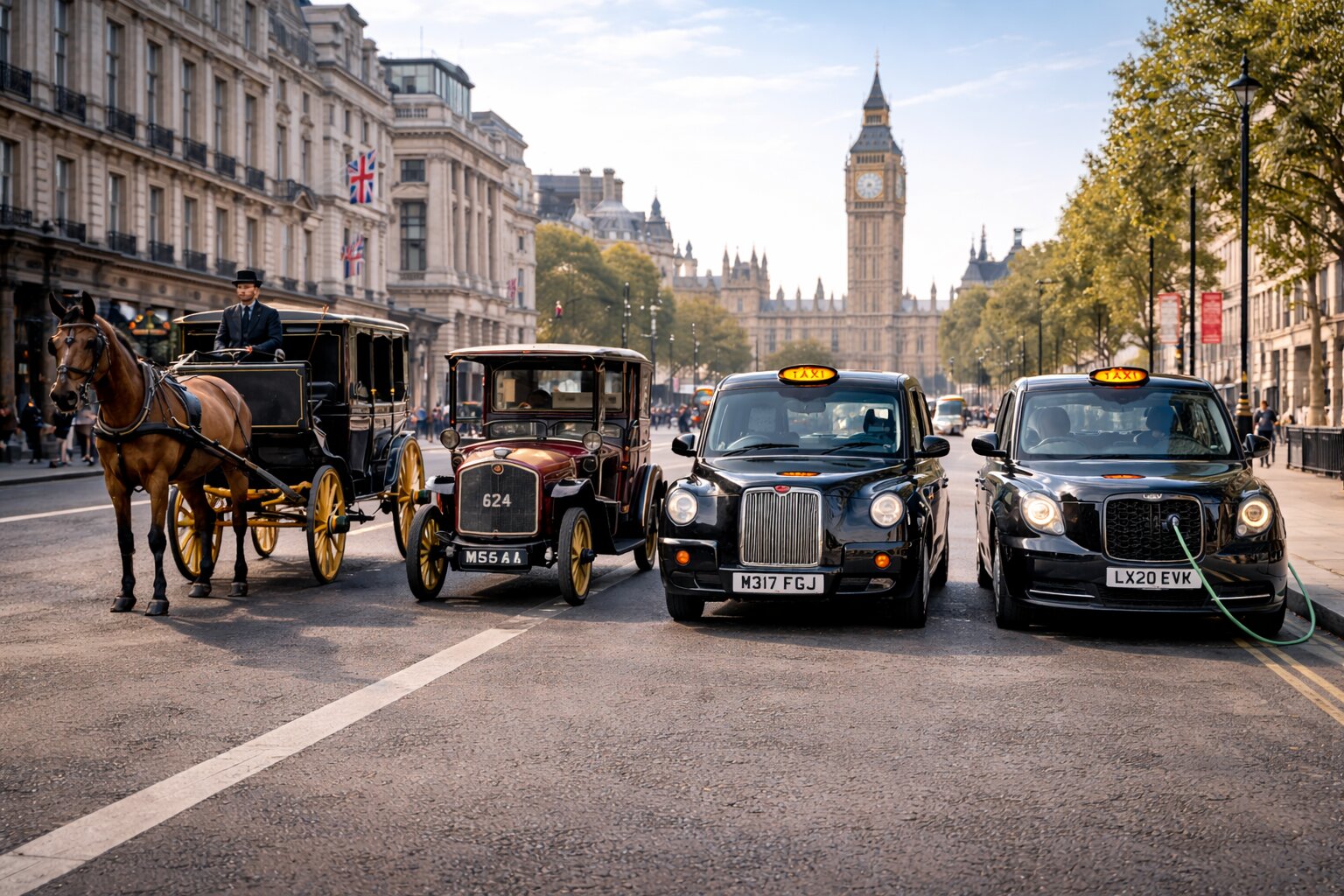
The earliest London taxis were not motorized at all — they were hackney carriages, horse‑drawn vehicles first licensed in the early 1600s. These carriages offered a new kind of mobility for Londoners and visitors, allowing people to hail a ride on city streets for a fare. Over time, dedicated cab stands were established and regulatory systems developed, forming the backbone of a transport network that still exists today.
Hackney carriages earned a reputation for reliability and safety long before modern traffic laws existed. Drivers navigated unpaved streets and grew intimately familiar with London’s layout — a tradition that would later become formalized as part of the city’s taxi culture.
The Motorized Revolution: Enter the Black Cab
The advent of the internal combustion engine changed everything. By the early 1900s, petrol‑powered taxis began to replace horses. In 1906, the London Motor Cab Company introduced the first motorized taxis in the city, ushering in a new era of faster, more efficient transport. These early black cabs quickly became a familiar sight.
As the automobile age progressed, the taxi industry evolved around it. By the mid‑20th century, companies like Austin and later Fairway and FX4 models came to define the look of the classic London cab — roomy, practical vehicles capable of navigating narrow streets and tight corners with ease.
The Knowledge: What Makes a London Driver Unique
One of the most celebrated aspects of London’s taxi culture is “The Knowledge” — an intensive training and examination process that every licensed taxi driver must complete. Introduced in the 19th century and still in place today, it requires drivers to memorize thousands of streets, landmarks, and shortest possible routes across Greater London. This rigorous process fosters exceptional expertise, ensuring passengers reach their destinations quickly and safely.
This emphasis on driver knowledge and professionalism has become one of the defining characteristics of London’s taxi service, earning trust and respect from millions of riders over decades.
Adapting to Change: Regulation and Innovation
London’s taxi industry has always been subject to regulation — from early licensing frameworks to modern standards intended to improve safety, accessibility, and environmental performance.
In the late 20th and early 21st centuries, accessibility became a priority, encouraging the adoption of wheelchair‑accessible taxi designs. Later, environmental concerns pushed the industry further. With London facing serious air quality and pollution challenges, authorities began to explore cleaner alternatives to traditional diesel engines.
The Electric Era: Greener Cabs for a Sustainable City
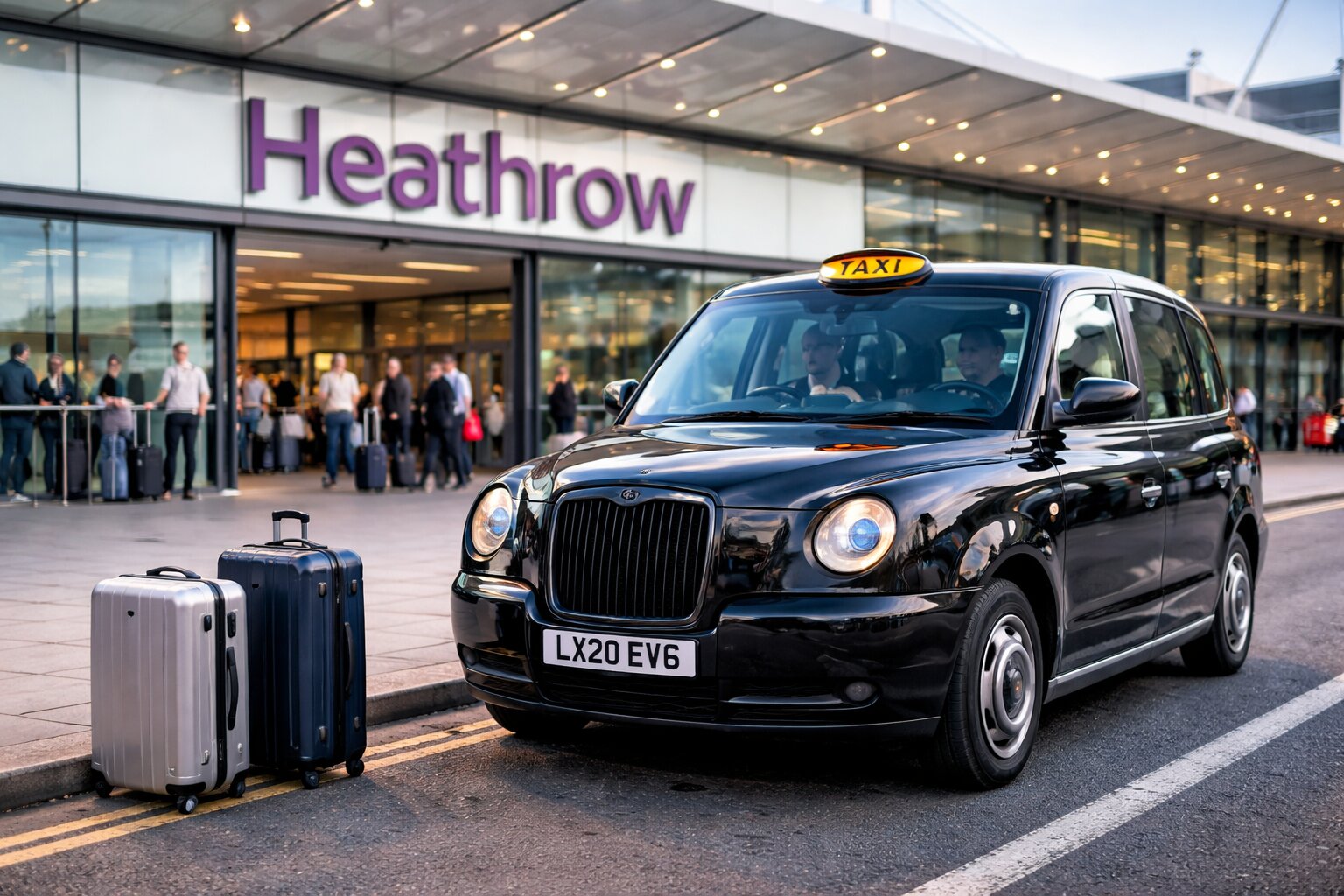
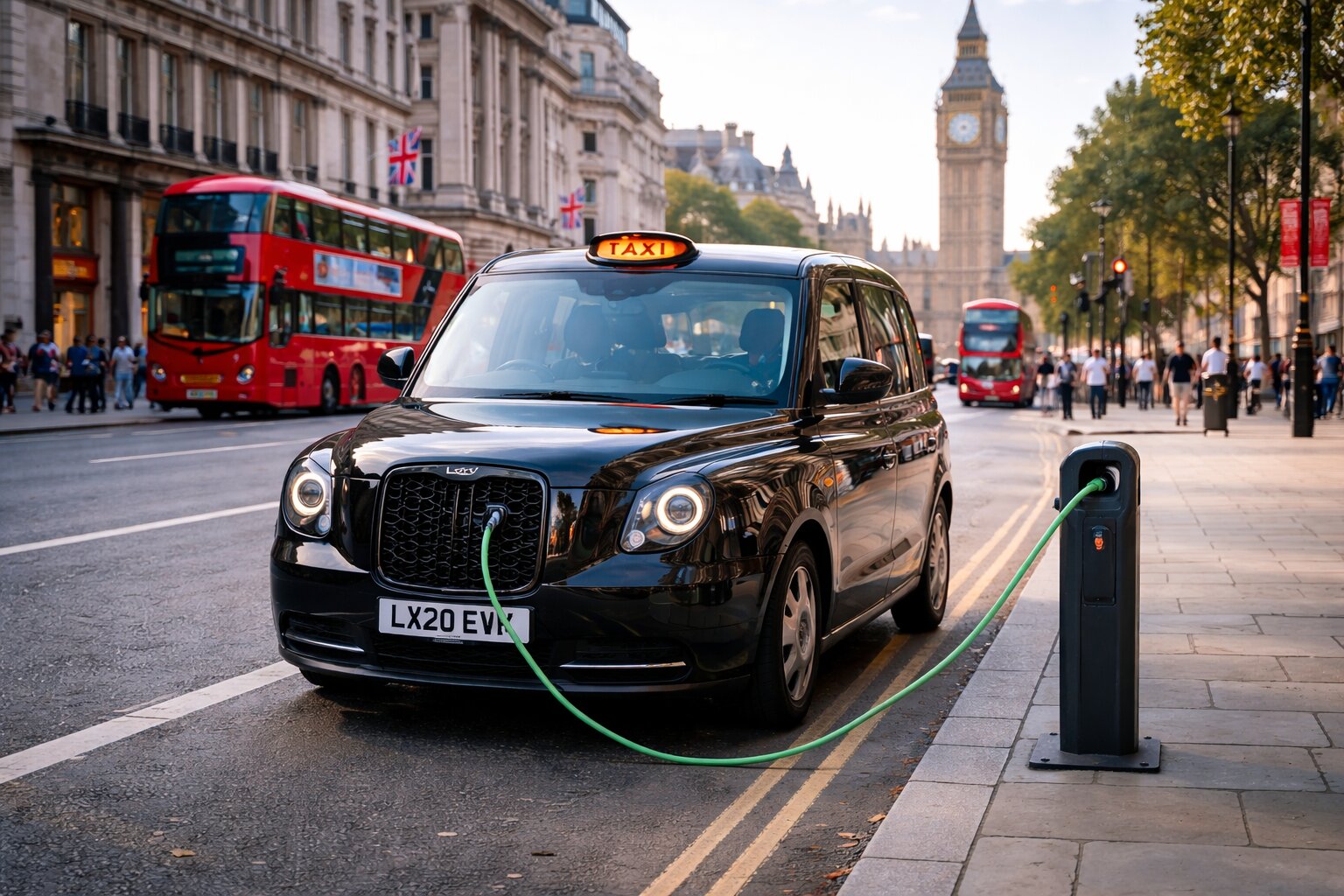
The most recent evolution in London’s taxi history is the transition to electric and zero‑emission capable vehicles. Faced with stricter environmental regulations and a growing public demand for cleaner air, London’s transport authorities now require newly licensed taxis to be zero‑emission capable. This has led to the introduction of modern electric taxi models designed specifically for London’s streets, combining sustainable performance with the roomy, practical design that passengers expect.
Electric cabs reduce harmful emissions, lower operating costs for drivers, and contribute to quieter, more pleasant city streets — a marked departure from the noisy petrol engines of even a few decades ago.
Challenges and Opportunities Along the Way
Throughout its evolution, the London taxi industry has faced significant challenges — from economic pressures to competition from ride‑hailing services. Each era of change brought uncertainty, but also opportunity. The shift to electric cabs, for example, required new infrastructure and investment, yet has positioned London as a leader in sustainable urban transport.
Drivers, regulators, and manufacturers have collaborated to ensure that tradition and innovation go hand‑in‑hand — preserving the essence of what makes London taxis distinct while embracing technologies that reflect the needs of the 21st century.
What the Future Holds
Today’s London taxi is the result of centuries of adaptation. From horse‑drawn beginnings to premier electric vehicles, London’s cabs represent resilience, professionalism, and forward‑thinking transport policy. Looking ahead, advances in autonomous driving, connectivity, and further electrification may continue to shape what comes next.
However, one thing remains central: the black cab, and the drivers who know every corner of this great city, still stand as an enduring symbol of London’s commitment to reliable, accessible, and evolving public transport.