Birmingham's story cannot be told without discussing transportation. For more than two centuries, the city has continuously reinvented the way people, goods, and industries move. From the canal networks that fueled the Industrial Revolution to the modern private transfer services that connect travelers with airports, hotels, and tourist destinations, transportation has played a central role in shaping Birmingham's identity.
Today, visitors often associate Birmingham with its vibrant city center, historic canals, cultural attractions, and excellent connectivity. However, the transportation systems that support modern Birmingham are the result of centuries of innovation and development.
Understanding how Birmingham evolved from a manufacturing powerhouse connected by waterways into one of Britain's most accessible cities offers a fascinating perspective on both the city's history and its future.
Birmingham Before Modern Transportation
Before canals, railways, and motor vehicles transformed the region, travel around Birmingham was slow and often challenging.
During the seventeenth and early eighteenth centuries, most transportation relied on horses and carts traveling along rough roads that became difficult to use during poor weather conditions. Journeys between towns could take many hours, and transporting heavy industrial goods was both expensive and inefficient.
As Birmingham's manufacturing industries began to expand, local business owners quickly realized that better transportation systems would be essential for continued growth.
This need would eventually lead to one of the most significant developments in British industrial history.
The Canal Revolution
The arrival of canals transformed Birmingham forever.
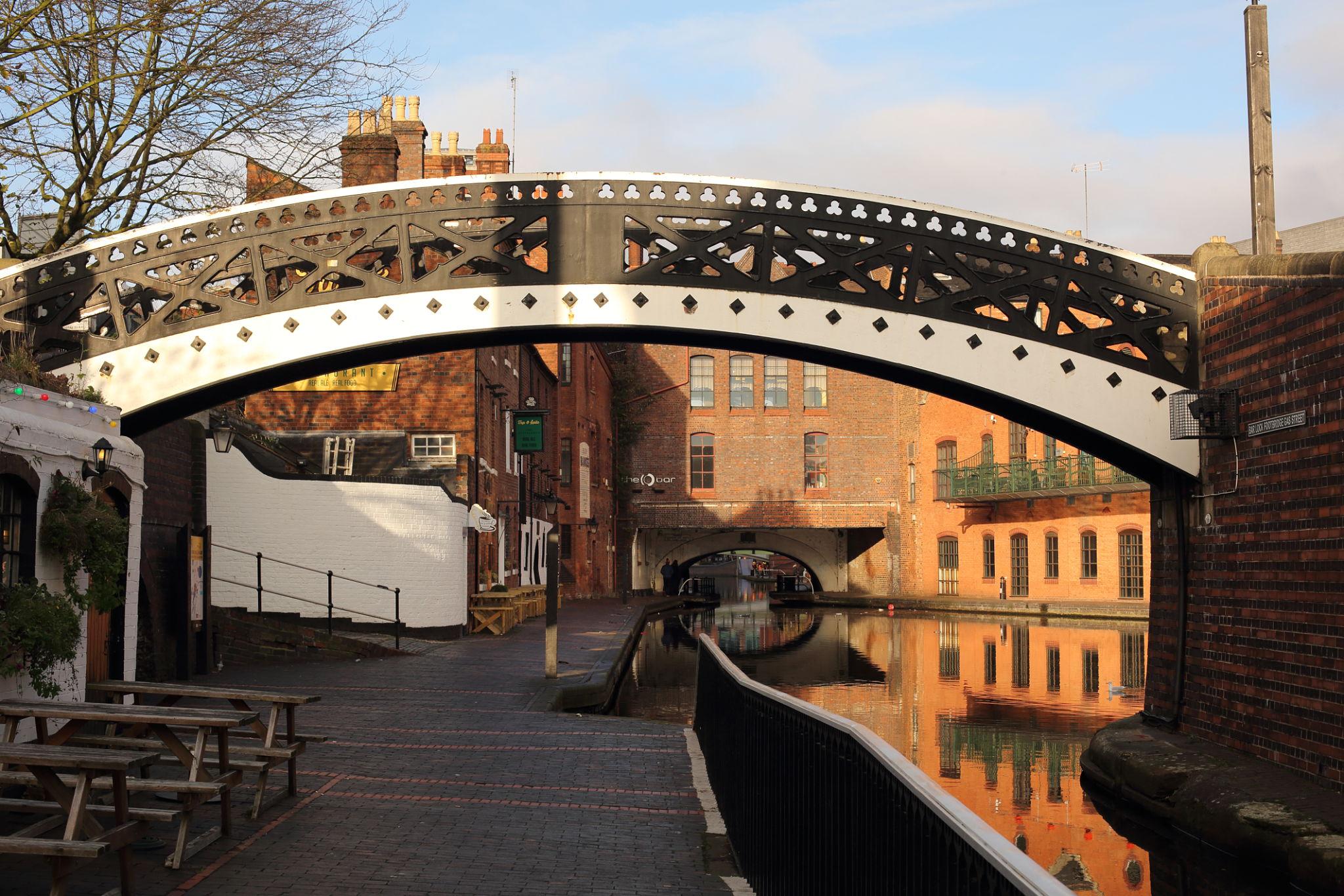
The Birmingham Canal Navigations network began developing during the eighteenth century and quickly became one of the most extensive inland waterway systems in the world. These canals allowed coal, iron, raw materials, and finished products to be transported far more efficiently than ever before.
Factories that once struggled with supply and distribution suddenly gained access to wider markets throughout Britain.
The impact was enormous.
Canals helped Birmingham become one of the driving forces behind the Industrial Revolution, supporting industries such as:
- Metalworking
- Engineering
- Manufacturing
- Coal distribution
- Construction
At their peak, the canals formed the economic arteries of the city.
Even today, Birmingham's canal network remains one of its most distinctive features. Many visitors are surprised to learn that Birmingham has more miles of canals than Venice, although the two systems were built for very different purposes.
Life Along Birmingham's Waterways
The canals were more than transportation routes. They created entire communities.
Boatmen, lock keepers, warehouse workers, traders, and laborers built their lives around the waterways. Canal-side districts became centers of economic activity, with factories and workshops lining the banks.
Many of Birmingham's most historic neighborhoods developed alongside these transport corridors.
Areas such as:
- Digbeth
- Gas Street Basin
- Brindleyplace
- The Jewellery Quarter
all owe part of their growth to the city's canal infrastructure.
Today, these locations have been transformed into cultural, commercial, and leisure destinations while preserving elements of their industrial heritage.
The Arrival of the Railway Age
By the nineteenth century, a new transportation revolution was underway.
Railways began to challenge the dominance of canals by offering faster movement of both goods and passengers.
Birmingham quickly became one of Britain's most important railway hubs.
The city's central location made it ideal for connecting northern and southern England, and major railway lines soon converged on Birmingham.
The arrival of rail transport dramatically reduced travel times and further accelerated industrial growth.
For the first time, large numbers of people could travel between cities with relative ease.
The railway also helped Birmingham attract workers, investors, and visitors from across the country.
New Street Station and Birmingham's Growth
No discussion of Birmingham's transportation history would be complete without mentioning New Street Station.
First opened in the nineteenth century, the station became one of the most important transport hubs in Britain.
Generations of travelers arrived in Birmingham through New Street, helping transform the city into a major commercial and cultural center.
The station continues to play a vital role today, connecting Birmingham with destinations throughout the United Kingdom.
Its evolution mirrors the city's own development from industrial powerhouse to modern metropolitan center.
Trams and Urban Mobility
As Birmingham's population expanded, transportation within the city became increasingly important.
During the late nineteenth and early twentieth centuries, tram systems provided an efficient way for residents to move around growing urban districts.
Electric trams became a familiar sight throughout Birmingham, helping workers commute between residential neighborhoods and industrial workplaces.
For many decades, trams represented the most advanced form of urban transportation available.
Although much of the original tram network disappeared during the twentieth century, modern tram services have returned to parts of the city, reflecting renewed interest in sustainable urban mobility.
The Rise of Motor Vehicles
The arrival of motor vehicles marked another turning point in Birmingham's transportation story.
As automobile ownership increased during the early twentieth century, roads became increasingly important.
The city adapted by expanding road networks and investing in infrastructure designed to accommodate growing traffic volumes.
Motor vehicles provided greater flexibility than either canals or railways, allowing travelers to reach destinations directly rather than relying on fixed routes.
This shift would eventually lead to the development of one of Birmingham's most important transportation sectors.
The Emergence of Birmingham's Taxi Industry
The history of taxis in Birmingham reflects broader changes in urban life.
Before motorized taxis became common, horse-drawn hackney carriages provided transportation for residents and visitors who required flexible travel options.
As motor vehicles became more reliable and affordable, these traditional carriages gradually disappeared.
By the early twentieth century, motorized taxis had become an increasingly familiar sight on Birmingham's streets.
Taxis offered something unique.
Unlike trains, trams, or buses, they could provide direct transportation between almost any two points.
For business travelers, tourists, and local residents, this flexibility proved invaluable.
Over time, taxi services became an essential part of Birmingham's transportation ecosystem.
Post-War Expansion and the Growth of Private Hire Services
Following the Second World War, Birmingham experienced significant growth.
The city's population expanded, new residential areas were developed, and demand for transportation increased accordingly.
Taxi operators adapted by introducing radio dispatch systems, improving communication between drivers and passengers.
These innovations helped create more efficient services and reduced waiting times.
Private hire services also became increasingly popular, offering pre-booked transportation for a wide range of journeys.
The distinction between traditional street-hailed taxis and pre-arranged transportation began to shape the modern market.
Birmingham Airport Changes Everything
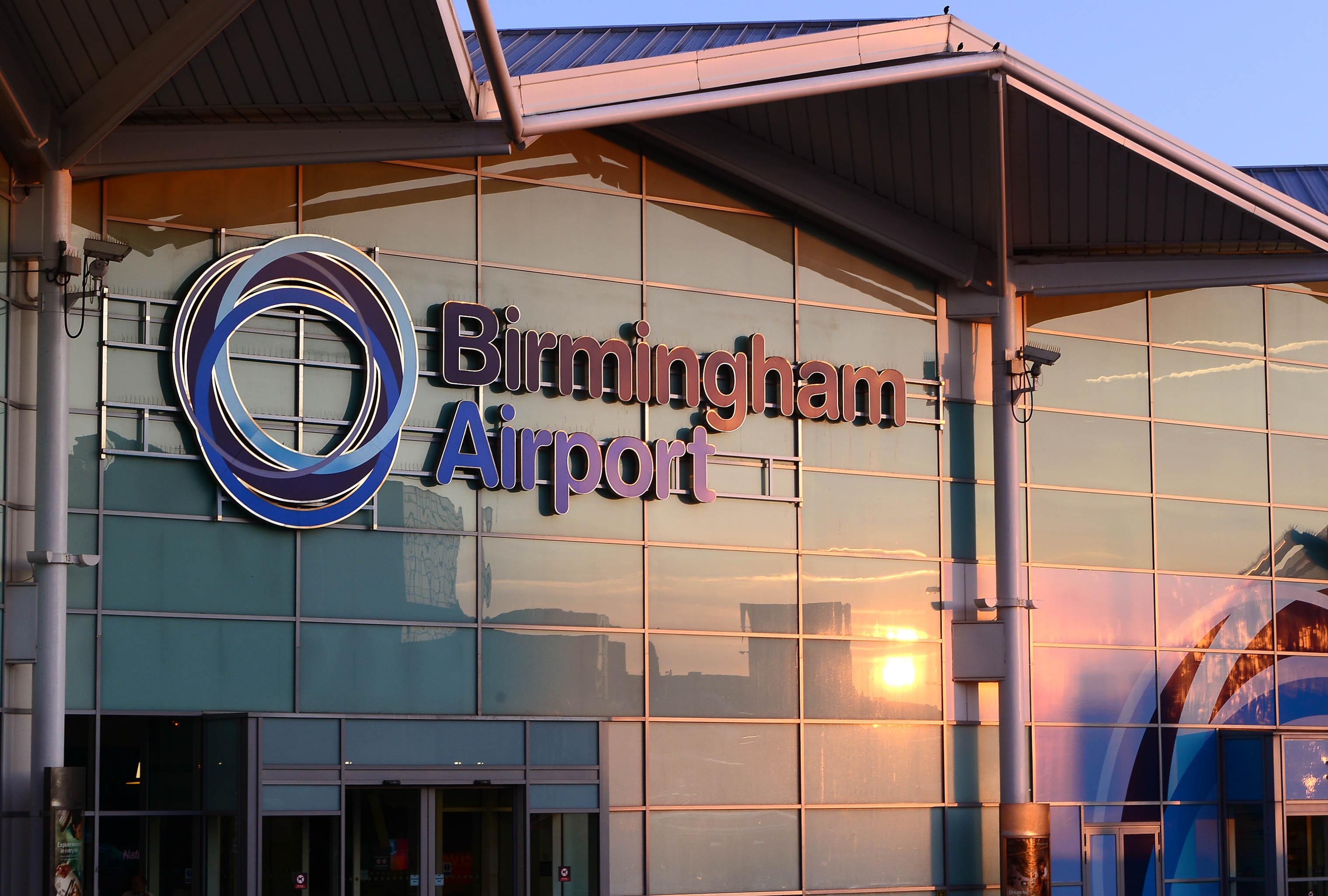
The development and expansion of Birmingham Airport added another important chapter to the city's transportation history.
As air travel became increasingly accessible, demand for reliable airport transportation grew rapidly.
Travelers arriving from across Europe and beyond required efficient ways to reach:
- Birmingham city center
- Hotels
- Business districts
- Tourist attractions
- Nearby towns and villages
Taxi services and private transfers quickly became essential links between the airport and the wider region.
Today, airport transportation remains one of the most important segments of Birmingham's private transport industry.
Transportation and Tourism in Modern Birmingham
Modern visitors to Birmingham benefit from a transportation network that combines centuries of innovation.
Tourists can:
- Walk along historic canals
- Travel by train to nearby cities
- Use modern tram services
- Arrange airport transfers
- Book private transportation for day trips
This flexibility allows visitors to experience Birmingham and the surrounding Midlands in ways that would have been unimaginable just a century ago.
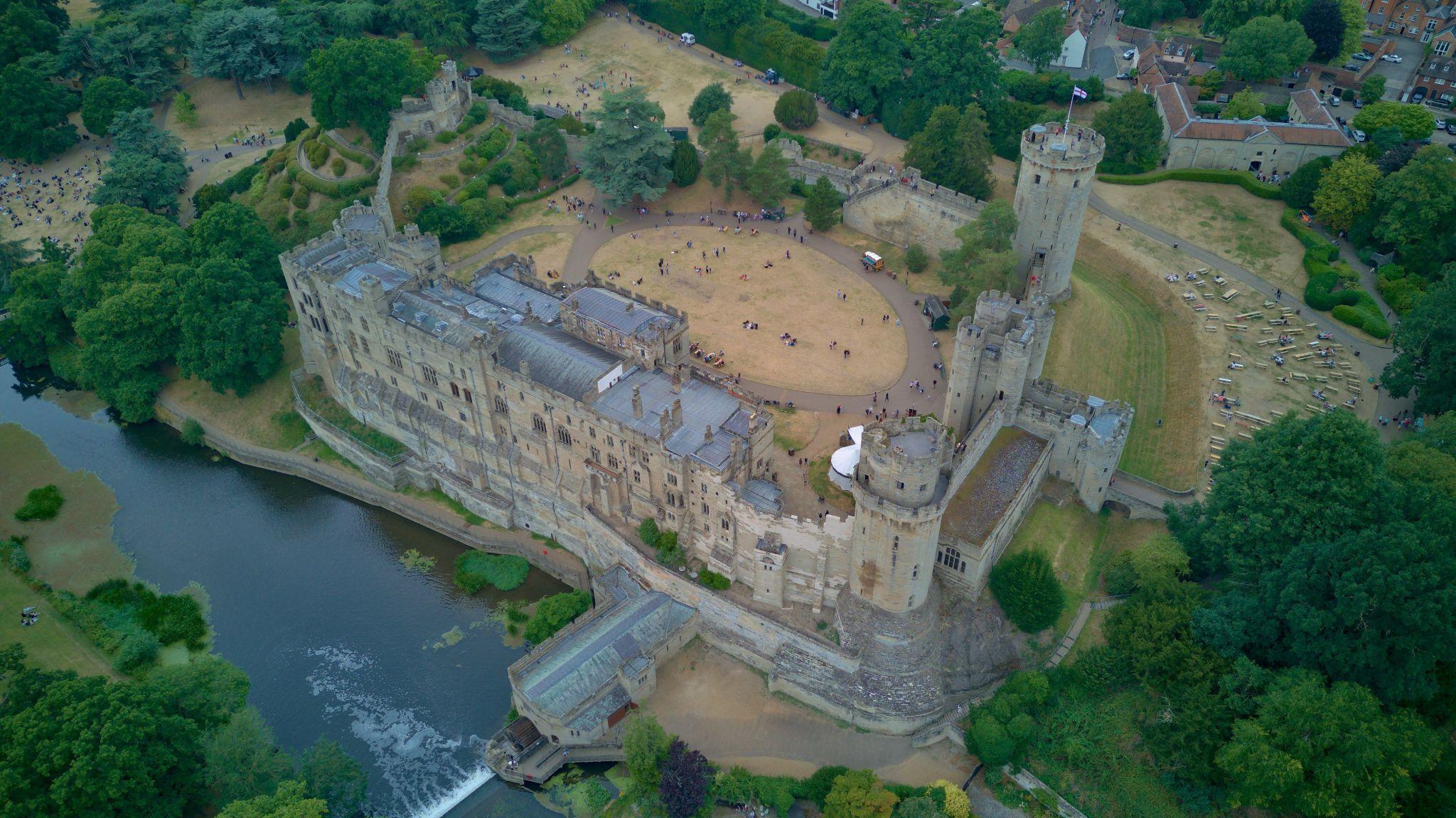
Popular destinations such as Stratford-upon-Avon, Warwick Castle, the Cotswolds, and the Malvern Hills are all easily accessible thanks to modern transportation infrastructure.
Why Private Transfers Continue to Grow
While public transportation remains important, many travelers increasingly prefer private transportation for certain journeys.
The reasons are straightforward:
- Direct travel
- Flexible schedules
- Comfort
- Convenience
- Simplified airport transfers
This is particularly true for visitors unfamiliar with the region or those traveling with luggage, families, or limited time.
Private transfers allow travelers to focus on their destination rather than transportation logistics.
The Role of Taxiyo in Modern Transportation
The evolution of transportation in Birmingham continues today through digital booking platforms and pre-arranged transfer services.
Taxiyo represents the latest stage in this long history of transportation innovation.
By allowing travelers to arrange transportation before arrival, modern transfer services combine the flexibility traditionally associated with taxis with the convenience of advanced planning.
Whether traveling between Birmingham Airport and the city center, exploring nearby attractions, or organizing regional journeys, pre-booked transportation has become an increasingly important part of the modern travel experience.
Looking Toward the Future
Transportation in Birmingham has never remained static.
From canals and railways to trams, taxis, and airport transfers, each generation has introduced new ways of connecting people and places.
Future developments are likely to include:
- Greater vehicle electrification
- Smart transportation systems
- Improved sustainability initiatives
- Enhanced digital booking technologies
Just as canals transformed Birmingham during the Industrial Revolution, new transportation innovations will continue to shape the city in the decades ahead.
Final Thoughts
The history of Birmingham is, in many ways, the history of transportation.
Canals powered industrial growth, railways connected the city to the nation, trams transformed urban mobility, and taxis introduced a new level of flexibility for residents and visitors alike.
Today, Birmingham stands as one of Britain's most accessible cities, benefiting from centuries of transportation innovation. Its canals remain symbols of industrial achievement, while modern private transfer services continue the tradition of helping people move efficiently through the region.
Understanding this journey offers more than a lesson in transportation history. It reveals how innovation, infrastructure, and mobility helped transform Birmingham from a small market town into one of the United Kingdom's most important cities.