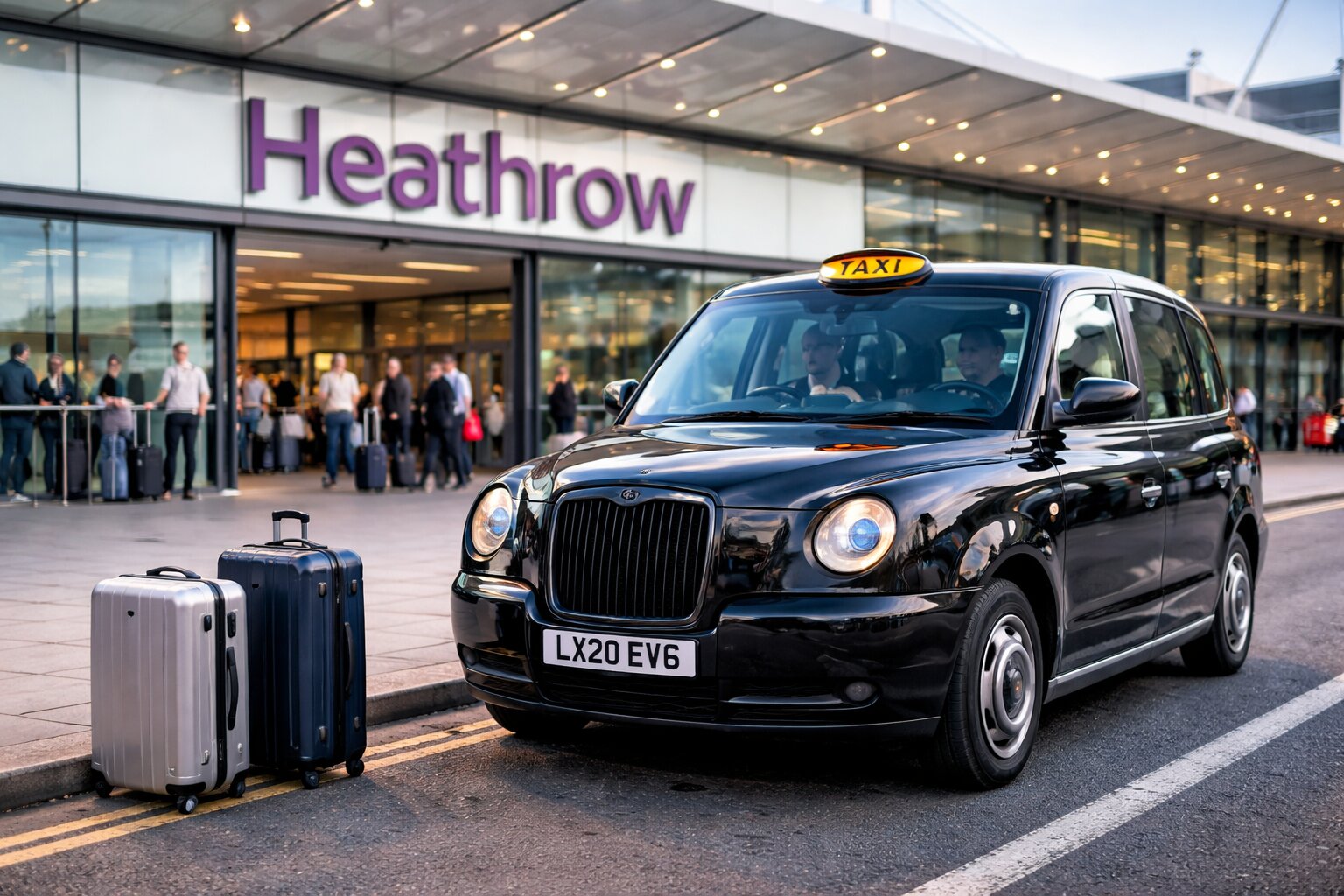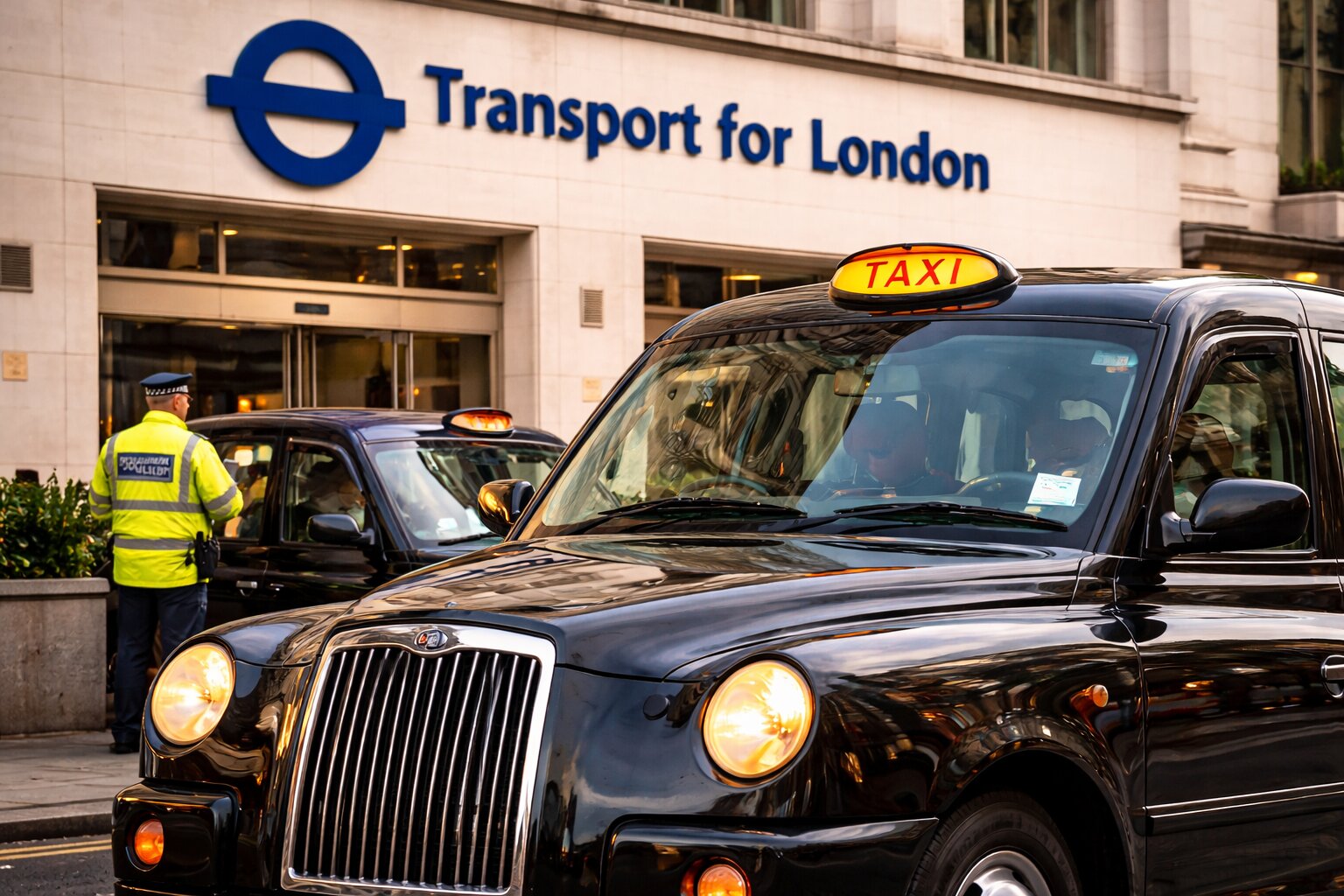
London’s taxi system is often considered one of the most structured and regulated in the world. The famous black cab drivers are known not only for their deep knowledge of the city but also for operating under strict licensing rules that date back centuries. These regulations were created to ensure passenger safety, fair pricing, and professional standards in one of the busiest cities on the planet.
Today, the system is managed primarily by Transport for London, which oversees licensing, safety rules, fares, and vehicle standards for both black cabs and private hire services. However, the foundations of London’s taxi regulation began long before modern transportation authorities existed.
Understanding how these rules developed helps explain why London taxis have become a global benchmark for professional taxi services.
The Origins of Taxi Regulation in London
London’s taxi regulation history stretches back more than three centuries. In fact, one of the earliest known licensing systems for taxi drivers in the world appeared in London during the 1600s. By 1639, authorities had already introduced regulations for horse-drawn carriages used to transport paying passengers.
These early vehicles were known as hackney carriages and served as the main form of public transport in the city before trains or buses existed. Because demand for transportation grew quickly, the government introduced licensing rules to control how many carriages could operate and to ensure drivers behaved professionally.
By the 19th century, new laws such as the Hackney Carriages Acts established more structured oversight of the industry. These regulations introduced official registries for drivers and vehicles and gave authorities the power to enforce standards.
This early regulatory framework helped London create a controlled taxi market long before most other cities even considered regulating passenger transport.
The Creation of Strict Vehicle Standards
Another reason London’s taxi system became so regulated was the introduction of detailed vehicle requirements. As motorized taxis began replacing horse-drawn carriages in the early 1900s, regulators wanted to ensure the new vehicles were safe and suitable for the city’s crowded streets.
In 1906, authorities introduced a set of technical rules known as the “Conditions of Fitness.” These standards defined how taxis had to be built, including requirements such as a tight turning circle so vehicles could easily maneuver through narrow streets and busy traffic areas.
This regulation is the reason London taxis have their distinctive shape. The design allows them to turn sharply in confined spaces, something especially useful in historic areas with narrow roads.
Over time, these vehicle standards expanded to include safety features, accessibility requirements, and environmental regulations. Modern London taxis must now meet strict emission rules, and many of the newest vehicles are electric or hybrid models designed to reduce pollution in the city.
The Famous “Knowledge” Test
Perhaps the most famous example of London’s strict taxi regulation is the driver training system known as the Knowledge.
Introduced in 1865, the Knowledge requires aspiring taxi drivers to memorize approximately 25,000 streets and tens of thousands of landmarks within a six-mile radius of Charing Cross, the geographic center of London.
This training process can take several years to complete. Candidates must pass a series of oral examinations where they describe the fastest route between two points without using maps or navigation devices.
The goal of the Knowledge is to ensure that licensed drivers can navigate the city efficiently even without digital navigation. Because London’s street network is complex and historic, this deep knowledge helps drivers respond quickly to traffic conditions and road closures.
Although some critics argue the test discourages new drivers from entering the industry, it remains one of the most respected driver qualification systems in the world.
Centralized Regulation by Transport Authorities
Modern taxi regulation in London is largely managed by Transport for London, which became the main licensing authority after the creation of the Greater London Authority in 1999.
Unlike many cities where taxi regulation is handled by individual municipalities, London operates under a centralized system. This means that licensing, fares, safety checks, and enforcement are controlled by a single authority responsible for the entire city.
Transport for London issues licenses to drivers and vehicles, regulates taxi fares, establishes official taxi ranks, and enforces safety rules across the industry.
The authority also monitors private hire vehicles such as minicabs and ride-hailing platforms, ensuring that all operators follow the same core safety standards.
This centralized structure is one of the main reasons London’s taxi system maintains consistent rules across the entire metropolitan area.
Safety and Accessibility Requirements
Passenger safety has always been one of the main reasons behind London’s strict taxi regulations.
Drivers must pass background checks, medical examinations, and regular licensing reviews to ensure they remain “fit and proper” to transport passengers. Authorities can revoke licenses if drivers violate safety standards or commit serious offences.
Modern regulations also focus heavily on accessibility. Since 2000, London taxis have been required to accommodate wheelchair users and assist passengers with mobility needs at no additional cost.
These rules mean taxi drivers must help passengers enter and exit the vehicle and provide support with luggage when needed.
Accessibility standards have made London’s taxi fleet one of the most inclusive in the world, allowing more people to travel independently across the city.
Environmental Regulations and Modern Changes
In recent years, environmental concerns have added another layer of regulation to the London taxi industry.
To reduce air pollution, the city has introduced policies encouraging drivers to replace older diesel taxis with cleaner vehicles. Programs have offered financial incentives for drivers who remove older cars from the fleet and switch to modern electric models.
Since 2018, new taxis entering the London fleet must be capable of zero-emission operation, a rule that has accelerated the transition toward electric vehicles.
These environmental regulations reflect London’s broader efforts to improve air quality while maintaining a reliable taxi service for residents and visitors.
Competition and New Regulatory Challenges
Despite its strong regulatory system, London’s taxi industry faces significant challenges from modern ride-hailing platforms.
Private hire vehicles operating through smartphone apps have grown rapidly in recent years, increasing competition for traditional black cabs. At the same time, strict training requirements and rising vehicle costs have contributed to a decline in the number of licensed taxi drivers.
Regulators continue to update policies to ensure fair competition while maintaining safety and quality standards across the entire passenger transport sector.
The balance between innovation and regulation remains one of the most important issues facing the industry today.
Why London’s Taxi System Remains Unique
London’s taxi industry became one of the most regulated in the world because the city prioritized safety, professionalism, and reliability long before modern transportation systems existed.
Centuries of licensing rules, vehicle standards, driver training, and centralized oversight have created a system that emphasizes quality and trust.
While technology and new mobility services continue to reshape urban transportation, the regulatory framework that governs London’s taxis remains one of the most sophisticated in the world.
For passengers, this means that stepping into a London black cab still represents a level of professionalism and expertise that has been built over hundreds of years.