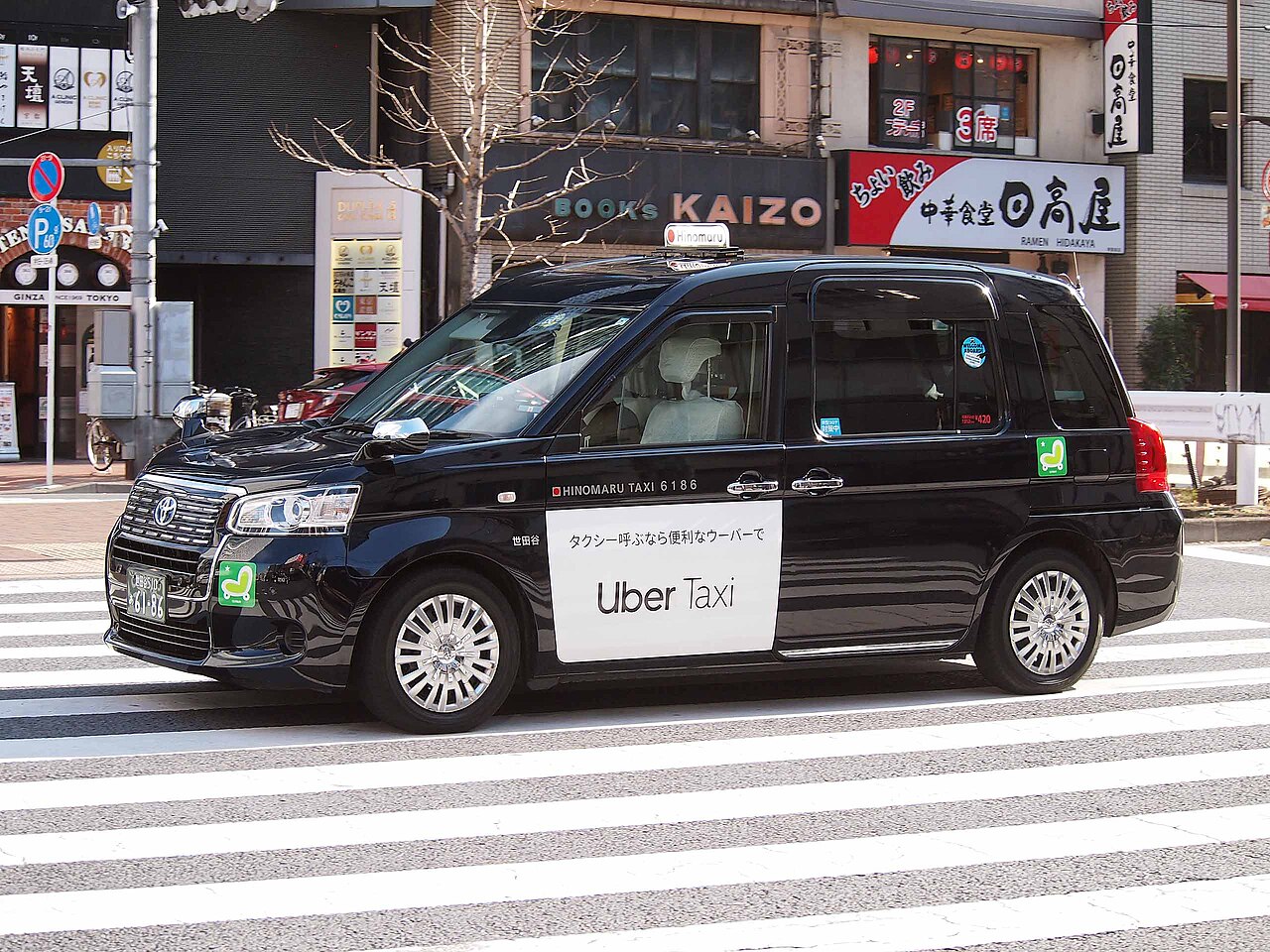
For many travelers and daily commuters, one common question continues to appear in 2026: Is a traditional taxi actually cheaper than Uber?
The answer is not always straightforward.
In some situations, taxis can cost less than ride-hailing services, while in others Uber may offer lower prices. The final cost depends on several factors including demand, distance, traffic conditions, local regulations, and pricing models.
Understanding the differences can help passengers make smarter transportation decisions and avoid unexpected charges.
How taxi pricing works
Traditional taxis usually operate using regulated fare systems approved by local transport authorities.
Taxi pricing generally includes:
- A fixed starting fare
- Distance-based charges
- Time-based waiting fees
- Airport or toll surcharges in some cities
Because these fares are often regulated, taxi prices tend to remain relatively stable throughout the day.
In many cities, passengers can estimate costs more predictably because taxi meters follow official pricing structures rather than dynamic market pricing.
How Uber pricing works
Uber and other ride-hailing platforms use a different pricing system based on algorithms and real-time demand.
Uber fares are typically influenced by:
- Current demand levels
- Driver availability
- Traffic conditions
- Trip distance and duration
- Surge pricing periods
This means prices can fluctuate significantly within minutes.
For example, a short ride during normal hours may be inexpensive, while the exact same trip during heavy rain, rush hour, or after major events may cost substantially more due to surge pricing.
When taxis are often cheaper than Uber
There are several situations where taxis may actually provide lower prices than Uber.
1. During surge pricing periods
One of the biggest complaints about ride-hailing apps is surge pricing.
When demand increases rapidly, Uber fares can rise dramatically. This commonly happens during:
- Rush hour
- Concerts and sporting events
- Airport peak periods
- Bad weather conditions
- Late-night weekends
Traditional taxis generally continue operating under fixed regulated rates, which can make them significantly cheaper during these high-demand moments.
2. Short city trips
In some cities, taxis are more economical for shorter urban journeys because the fare structure is simpler and does not include dynamic pricing multipliers.
Passengers may also avoid additional app service fees or booking charges commonly included in ride-hailing prices.
3. Airport transfers with fixed tariffs
Many airports operate official taxi systems with standardized transfer rates to city centers or nearby districts.
In these cases, taxi fares can sometimes be more predictable and cheaper than Uber, especially during periods of high airport demand.
Some travelers also prefer taxis because drivers are usually familiar with airport pickup systems and local routes.
When Uber can be cheaper than taxis
There are also situations where Uber may offer lower pricing.
1. Off-peak hours
During periods of low demand, Uber prices can become very competitive.
For example:
- Midday weekday rides
- Short suburban trips
- Non-peak travel periods
may sometimes cost less than traditional metered taxis.
2. Promotional discounts and app incentives
Ride-hailing platforms frequently offer:
- Discount codes
- Loyalty rewards
- Promotional pricing
- Subscription benefits
These temporary incentives can reduce trip costs below standard taxi fares.
3. Price estimates before booking
One advantage many passengers appreciate with Uber is fare transparency.
Users can usually see:
- Estimated pricing
- Expected arrival times
- Route information
before confirming the trip.
Traditional taxis generally rely on the running meter, meaning the final cost depends on traffic and trip duration.
Hidden costs passengers should consider
Comparing base fares alone does not always tell the full story.
Passengers should also consider:
- Cancellation fees
- Waiting charges
- Peak pricing
- Toll roads
- Airport pickup fees
- Traffic-related delays
A ride that initially appears cheaper on an app can sometimes end up costing more after adjustments and demand changes.
Safety, regulation, and reliability differences
Cost is important, but many passengers also compare:
- Driver licensing requirements
- Vehicle inspections
- Insurance standards
- Local transport regulation
Traditional taxis are often heavily regulated by municipal authorities, while ride-hailing regulations vary between countries and cities.
Some travelers prioritize reliability and local professional drivers over minor price differences.
So, which option is actually cheaper?
There is no universal answer because prices vary depending on:
- Country and city
- Time of day
- Demand levels
- Distance traveled
- Local transport regulation
However, in real-world conditions:
- Taxis are often cheaper during surge periods and airport demand peaks
- Uber can sometimes be cheaper during off-peak hours with promotional pricing
The best option usually depends on the specific trip rather than the platform itself.
Final thoughts
The debate between taxis and Uber continues because both systems offer different advantages.
Traditional taxis provide:
- Stable regulated pricing
- Predictability during busy periods
- Professional local transport services
Meanwhile, Uber offers:
- Flexible availability
- Upfront estimates
- App-based convenience
For travelers, comparing both options before booking is often the smartest approach, especially in busy cities or during peak travel times.
As transportation technology continues to evolve in 2026, passengers are increasingly choosing based on reliability, transparency, and total trip value—not only the starting price.