Few television dramas have had the cultural impact of Peaky Blinders. Since its debut, the series has introduced millions of viewers to Birmingham's industrial past, transforming the city into a destination for fans from around the world. While the Shelby family may be fictional, the story is rooted in a very real chapter of Birmingham's history.
Today, visitors can explore the neighborhoods, museums, canals, and historic locations that inspired one of Britain's most successful television series. Whether you're a dedicated fan of the show or simply interested in Birmingham's rich heritage, a Peaky Blinders-themed visit offers a fascinating perspective on the city.
This guide explores the real history behind the Peaky Blinders and highlights the most important places to visit during your stay in Birmingham.
Who Were the Real Peaky Blinders?
Before becoming a global television phenomenon, the Peaky Blinders were an actual street gang operating in Birmingham during the late nineteenth century.
Unlike the sophisticated criminal organization portrayed in the series, the real gang was primarily composed of working-class youths involved in street crime, theft, gambling, and local gang rivalries. Their activities were concentrated in some of Birmingham's poorest districts during a period of rapid industrial growth.
Historians generally agree that the gang's name likely came from their distinctive style of dress, particularly the peaked caps they wore. The famous story about razor blades sewn into caps has become part of popular culture, although there is little historical evidence to support it.
Despite the differences between fiction and reality, the television series has sparked worldwide interest in Birmingham's social history and industrial heritage.
Why Birmingham Became the Home of the Peaky Blinders
To understand the Peaky Blinders, it is important to understand Birmingham itself.
During the late nineteenth and early twentieth centuries, Birmingham was one of the world's most important manufacturing centers. Factories, workshops, canals, and railways dominated the landscape. Thousands of workers moved to the city seeking employment, creating densely populated neighborhoods where poverty and opportunity often existed side by side.
The city's industrial character, combined with its working-class culture, helped shape the environment that inspired both the real Peaky Blinders and the fictional Shelby family.
Many of these historic influences can still be explored today.
The Black Country Living Museum
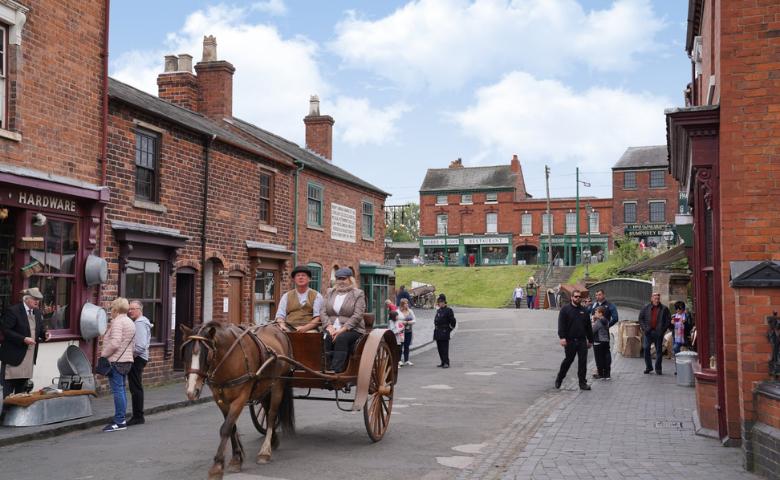
No Peaky Blinders experience is complete without visiting the Black Country Living Museum.
Located a short distance from Birmingham, this open-air museum has become one of the most popular attractions for fans of the series.
Several memorable scenes were filmed here, and visitors immediately recognize many of the streets and buildings featured throughout the show.
The museum recreates life during the Industrial Revolution and early twentieth century through:
- Historic houses
- Traditional shops
- Industrial workshops
- Canal-side buildings
- Period streets
Walking through the museum provides a unique opportunity to experience the atmosphere that inspired much of the world seen on screen.
For many visitors, this is the highlight of any Peaky Blinders-themed trip.
Digbeth: Birmingham's Industrial Heart
Digbeth is one of Birmingham's oldest districts and perhaps the area that best reflects the city's industrial heritage.
The neighborhood is characterized by:
- Red-brick warehouses
- Railway arches
- Historic factories
- Canal routes
- Industrial architecture
Although much of Digbeth has undergone regeneration in recent years, it still retains the gritty atmosphere that many associate with the Peaky Blinders story.
Walking through the area offers insight into the kind of environment that shaped working-class Birmingham during the late nineteenth century.
Today, Digbeth also serves as one of Birmingham's most vibrant creative districts, combining history with modern culture.
Birmingham's Historic Canal Network
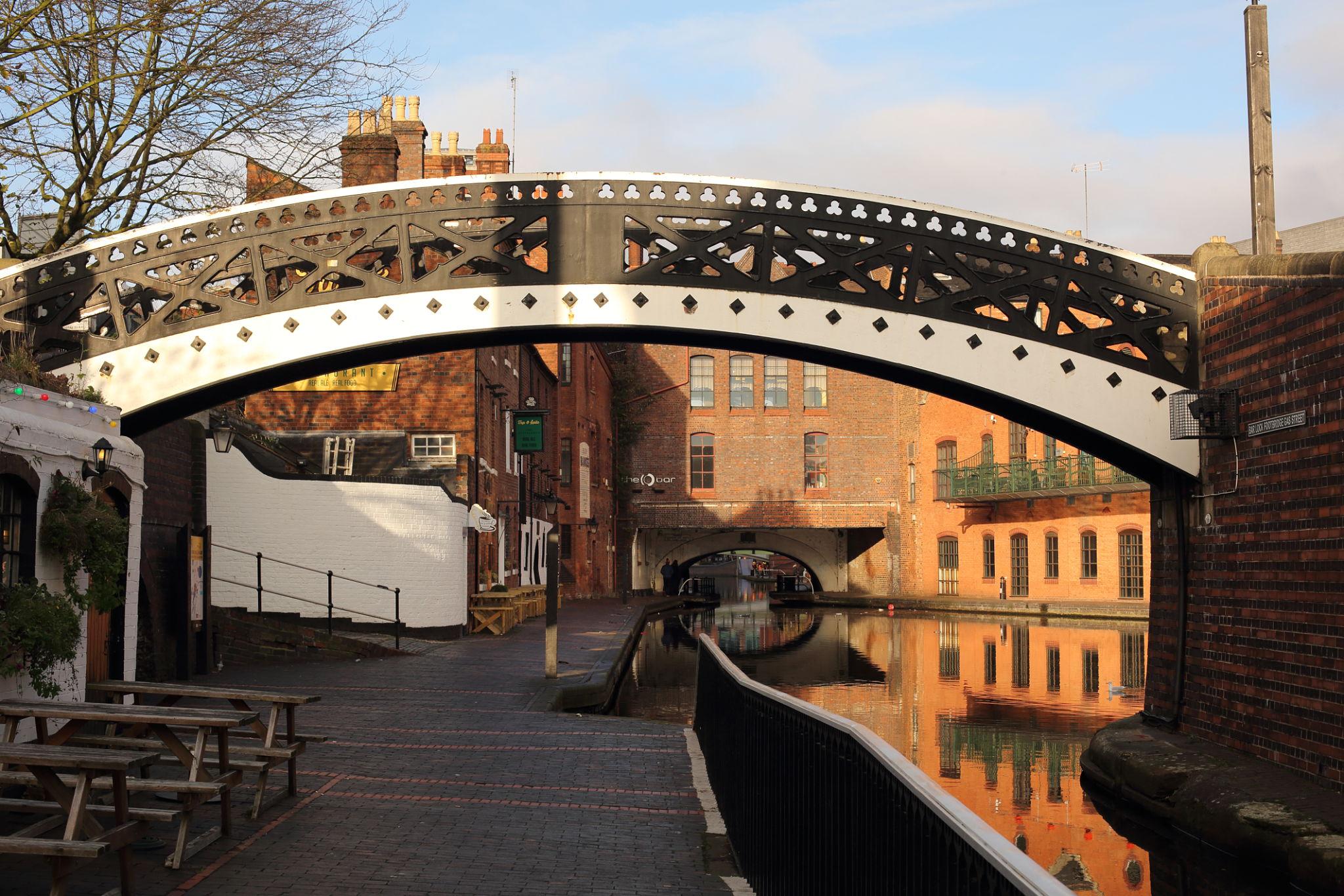
Canals played a major role in Birmingham's industrial success and feature prominently throughout the visual style of Peaky Blinders.
The city's canal network transported raw materials and manufactured goods across Britain, helping Birmingham become a global industrial powerhouse.
Visitors can explore many canal-side routes that provide a glimpse into the city's past.
Popular canal areas include:
- Gas Street Basin
- Brindleyplace
- Digbeth Branch Canal
- Old industrial wharves
A walk along Birmingham's canals reveals a side of the city that many visitors overlook.
The Jewellery Quarter
The Jewellery Quarter is another essential stop for visitors interested in Birmingham's industrial history.
For more than two centuries, this district has been a center for jewelry manufacturing and craftsmanship.
Today, visitors can explore:
- Historic workshops
- Victorian architecture
- Independent shops
- Museums
- Traditional pubs
The area provides valuable context for understanding the economic forces that helped shape Birmingham during the era that inspired Peaky Blinders.
Many of the streets still retain their historic character, making it easy to imagine life during the city's industrial peak.
Small Heath: The Real Home of the Peaky Blinders
Fans of the television series often hear references to Small Heath, the Birmingham district where the fictional Shelby family is based.
Small Heath was also closely associated with the real Peaky Blinders gang.
Although much of the area has changed over the past century, visiting the neighborhood helps provide a deeper understanding of the social conditions that influenced Birmingham's working-class communities.
It is here that the line between historical reality and television fiction becomes most apparent.
Birmingham Museum and Art Gallery
For visitors interested in understanding the broader history of Birmingham, the Birmingham Museum and Art Gallery is worth including in any itinerary.
The museum offers exhibitions covering:
- Local history
- Industrial development
- Social change
- Victorian Birmingham
- Regional culture
These collections help place the story of the Peaky Blinders within the wider context of Birmingham's remarkable transformation over the last two centuries.
A Peaky Blinders Day Trip Itinerary
For visitors with limited time, a full day can comfortably include several key locations.
A typical itinerary might include:
Morning
- Black Country Living Museum
- Historic industrial exhibits
Midday
- Lunch in Digbeth
- Walking tour of canal areas
Afternoon
- Jewellery Quarter
- Birmingham Museum and Art Gallery
Evening
- Canal-side dining in central Birmingham
This combination provides both television-related attractions and genuine historical context.
Why Private Transportation Makes Exploring Easier
Many Peaky Blinders-related attractions are spread across Birmingham and the surrounding West Midlands region.
Private transportation offers several advantages:
- More flexible scheduling
- Easier access to multiple sites
- Reduced travel time
- Comfortable travel between locations
- Convenient airport transfers
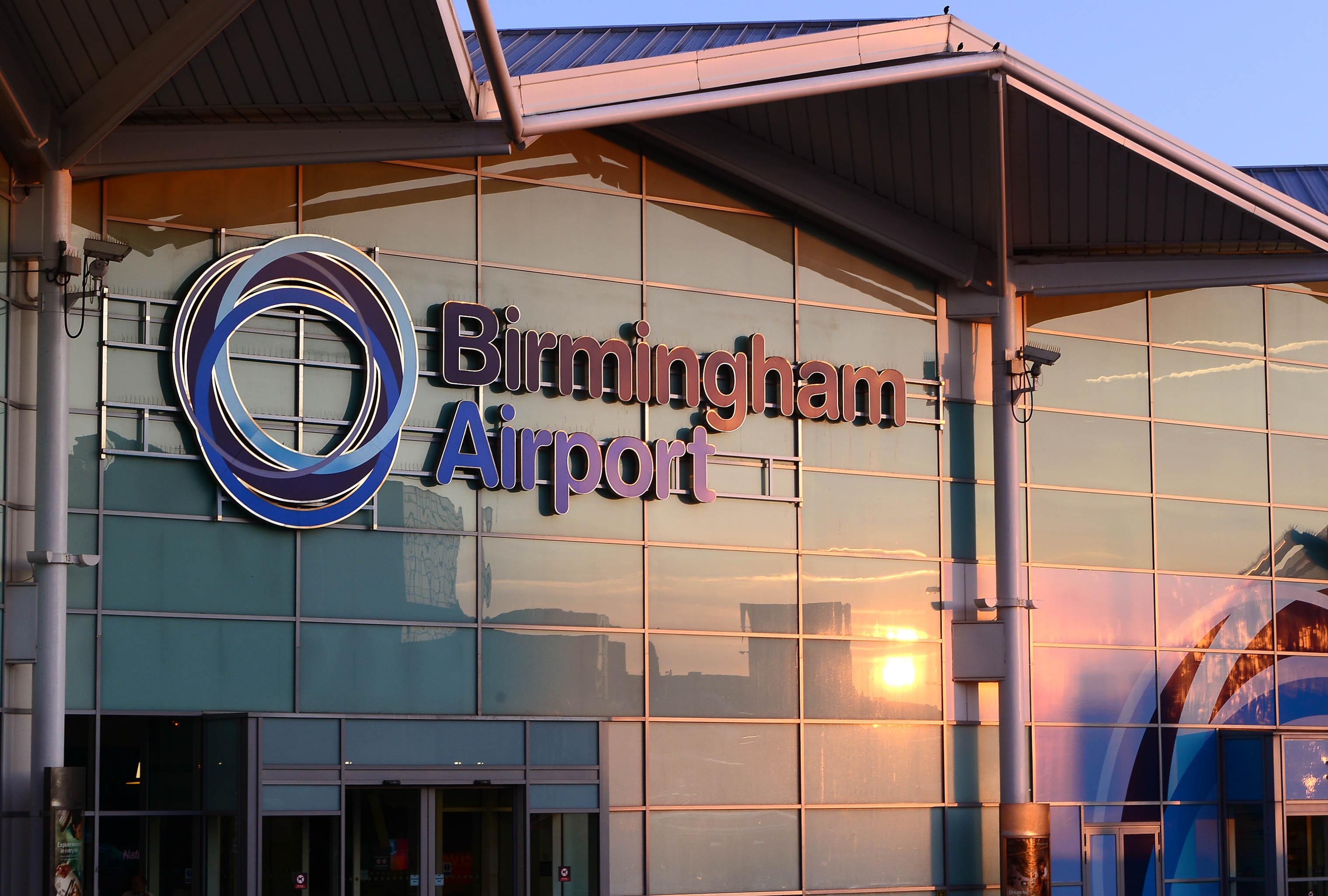
Visitors arriving via Birmingham Airport often choose to arrange transportation in advance, particularly when planning to visit attractions outside the city center.
Services such as Taxiyo can help travelers organize airport transfers and private transportation, allowing them to focus on exploring Birmingham's fascinating history rather than navigating unfamiliar routes.
More Than a Television Series
One reason Peaky Blinders continues to attract visitors years after its premiere is that it serves as a gateway to Birmingham's broader story.
The city's industrial heritage, canals, working-class history, and remarkable transformation create a fascinating destination even for visitors who have never watched the show.
For fans, however, the connection is especially powerful. Walking through the streets, museums, and historic districts that inspired the series provides a deeper appreciation for both the drama and the city that helped shape it.
Final Thoughts
A Peaky Blinders-themed visit is one of the most unique ways to experience Birmingham. From the atmospheric streets of Digbeth and the historic canals to the world-famous Black Country Living Museum, the city offers countless opportunities to connect with both the fiction and reality behind the story.
Whether you're interested in television history, industrial heritage, or simply discovering a different side of England, Birmingham delivers an experience that is both entertaining and genuinely educational.
The enduring popularity of Peaky Blinders ensures that Birmingham remains one of the UK's most distinctive destinations—where history, culture, and storytelling come together in unforgettable fashion.