London taxis, often called “black cabs,” are among the most recognizable symbols of the British capital. For more than three centuries, these vehicles have transported residents and visitors through the busy streets of London. From horse-drawn carriages in the 17th century to today’s modern electric taxis, the London cab has evolved alongside the city itself.
Today, London’s taxi system is known worldwide for its professionalism, strict licensing rules, and the famous driver exam called “The Knowledge.” Understanding the history of London taxis helps explain why they remain one of the most respected taxi services in the world.
The Early Beginnings: Hackney Carriages in the 1600s
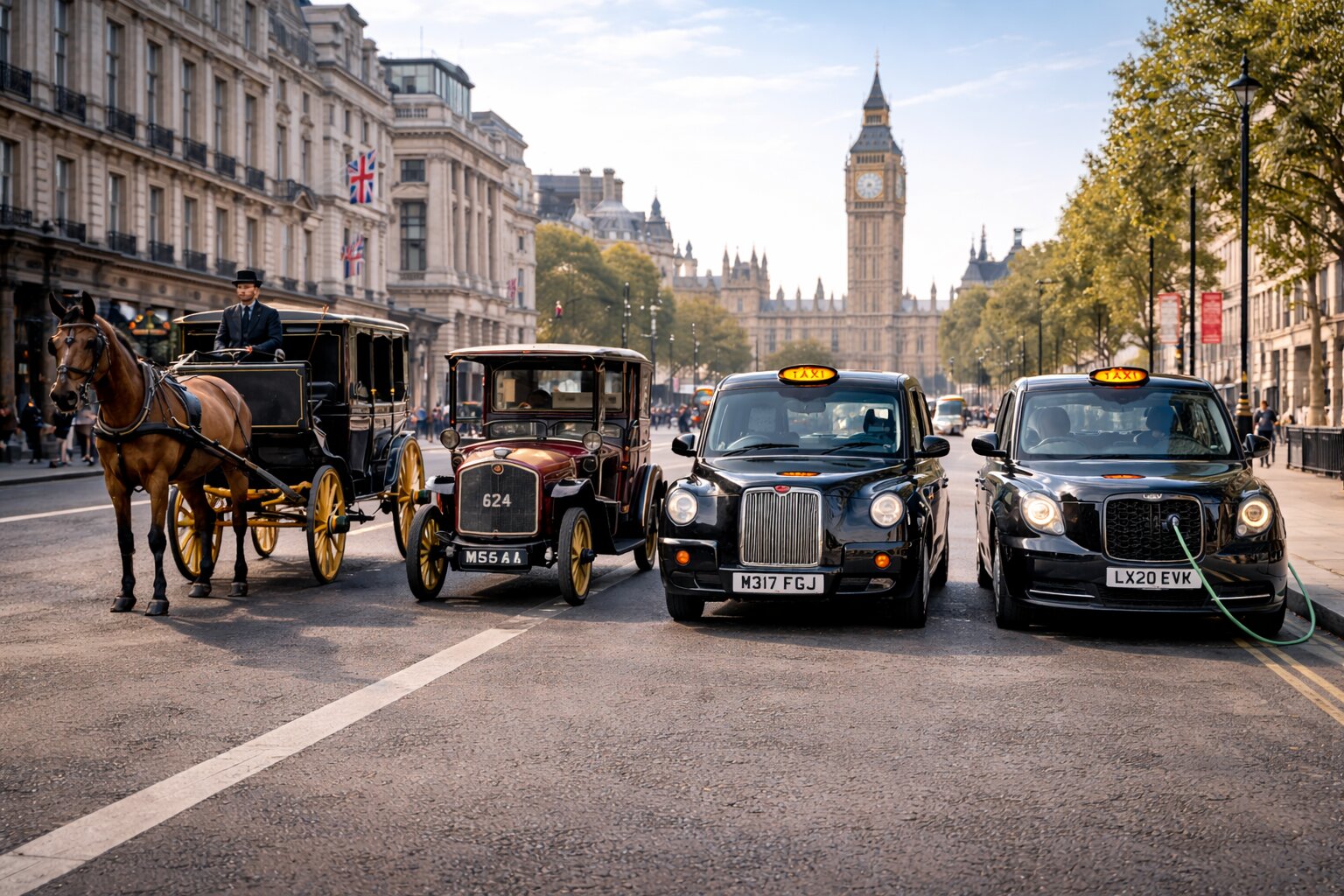
The story of London taxis begins in the early 17th century with the introduction of horse-drawn vehicles for hire known as hackney carriages. These carriages were licensed to carry paying passengers around the city and were among the earliest forms of organized urban transportation.
The term “hackney” referred to a horse or carriage available for hire. Some historians believe the word came from the French term haquenée, meaning a horse used for everyday riding, while others link it to the London district of Hackney, which was known Ffor horse breeding.
By the mid-1600s, hackney carriages had become common across London. In fact, the city introduced one of the earliest taxi licensing systems in the world. Regulations governing taxi drivers and vehicles date back to 1639, establishing rules that still influence the taxi industry today.
These early taxis allowed London residents to travel more easily across the rapidly growing city. Before public buses and trains existed, hackney carriages provided an important transportation service.
The Rise of the Hansom Cab in the 19th Century
During the 19th century, London’s taxi industry changed significantly with the introduction of the hansom cab. Designed in 1834 by Joseph Hansom, this two-wheeled carriage was faster, lighter, and more stable than earlier models.
Unlike traditional carriages, the hansom cab had a driver seated behind the passenger compartment. This design improved balance and allowed the vehicle to move quickly through London’s crowded streets. The hansom cab soon became the most common taxi in the city.
Victorian London was a busy and rapidly expanding metropolis, and demand for transportation was high. Hansom cabs became a familiar sight throughout the city, transporting businessmen, tourists, and residents.
During this period, the word “cab” became widely used. It was a shortened form of “cabriolet,” the type of carriage on which the hansom cab design was based.
The First Motorized Taxis
At the beginning of the 20th century, technological innovation transformed the taxi industry. Motorized taxis began replacing horse-drawn carriages across London.
The first petrol-powered taxis appeared in 1903, and within a few years they were competing directly with traditional horse-drawn cabs.
Around the same time, London experimented with electric taxis. One of the earliest examples was the Bersey Electric Cab, introduced in 1897. These vehicles were nicknamed “hummingbirds” because of the quiet sound of their electric motors.
Although early electric taxis were eventually replaced by petrol vehicles due to technical limitations, the idea of electric taxis would return more than a century later as cities focused on reducing pollution.
By the early 1900s, thousands of motorized taxis were operating in London. This marked the end of the horse-drawn taxi era.
The Birth of the Famous Black Cab
The iconic London “black cab” became a defining feature of the city after World War II. While taxis were not legally required to be black, many manufacturers produced them in this color as the standard option, which made it the most common choice among drivers.
One of the most famous models was the Austin FX4, introduced in the late 1950s. This vehicle quickly became a symbol of London and remained in service for nearly four decades.
The FX4’s design was practical and distinctive. It featured a high roof so passengers could sit comfortably while wearing hats, as well as wide doors and a spacious passenger compartment.
Another unique requirement shaped the design of London taxis: they had to be able to make a very tight turning circle. This rule was introduced so taxis could easily turn around in narrow streets and locations such as the entrance to the Savoy Hotel.
These regulations gave London taxis their recognizable shape and excellent maneuverability.
“The Knowledge”: The Famous Taxi Driver Test
One of the most remarkable traditions of London’s taxi industry is the training required to become a licensed cab driver.
Since 1865, drivers have been required to pass a difficult exam known as “The Knowledge.” This test requires candidates to memorize thousands of streets and landmarks within a six-mile radius of Charing Cross, the historic center of London.
Candidates must learn more than 25,000 streets and numerous important locations. The process usually takes several years of study and practice.
Instead of relying on GPS navigation, experienced London cab drivers can plan routes entirely from memory. This skill allows them to navigate quickly through traffic and road closures.
The Knowledge has become an essential part of London taxi culture and a symbol of the profession’s high standards.
Modern London Taxis
Today, London taxis continue to evolve with new technology and environmental regulations.
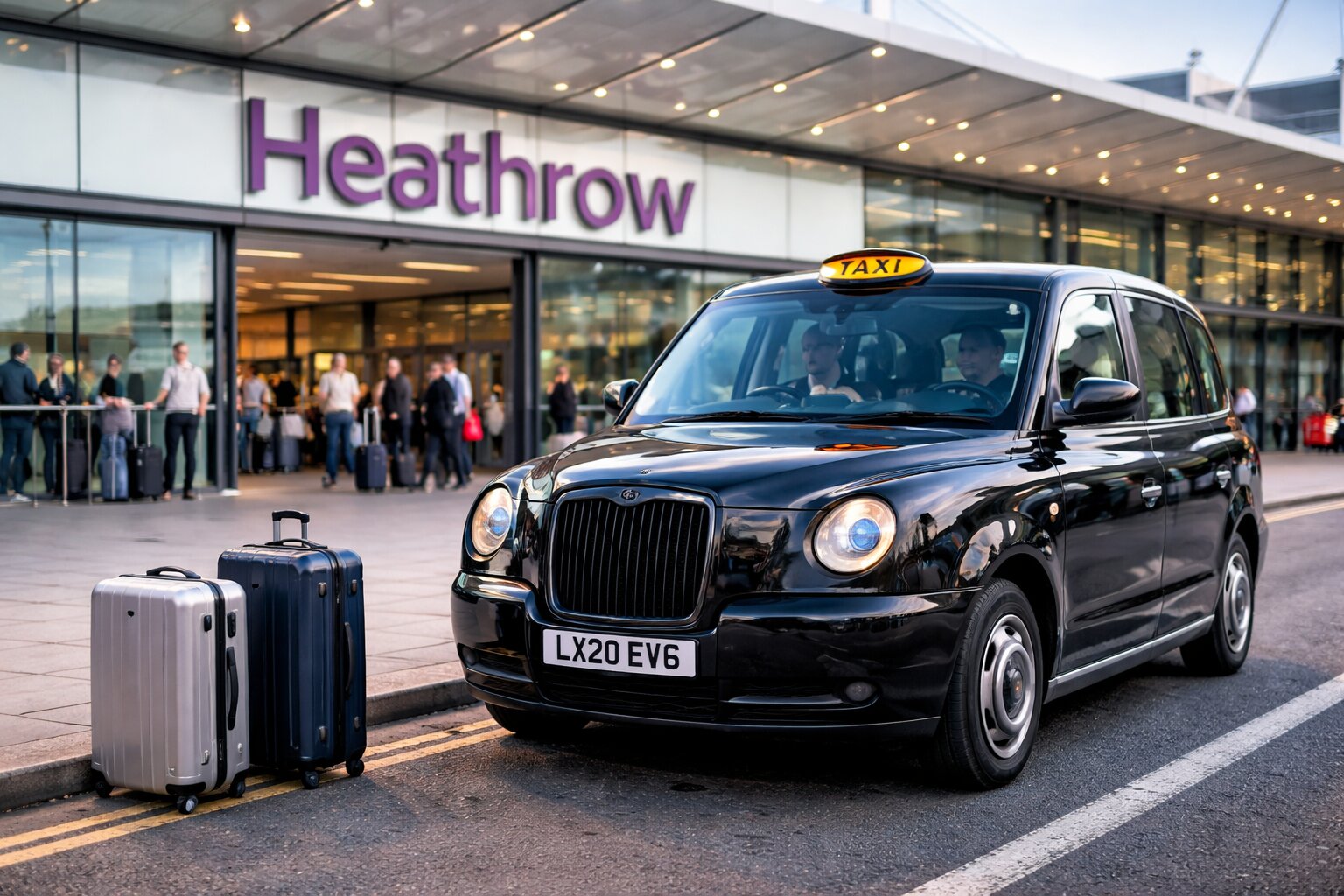
Modern taxi models such as the TX series were introduced to replace older vehicles while maintaining the traditional design associated with London cabs. The TX1 model, introduced in 1997, was designed to modernize the fleet while preserving the classic appearance of the FX4.
Accessibility has also become a major priority. Since 2000, London taxis have been required to accommodate wheelchair users and assist passengers with disabilities.
More recently, London has begun transitioning toward electric taxis to reduce emissions and improve air quality.
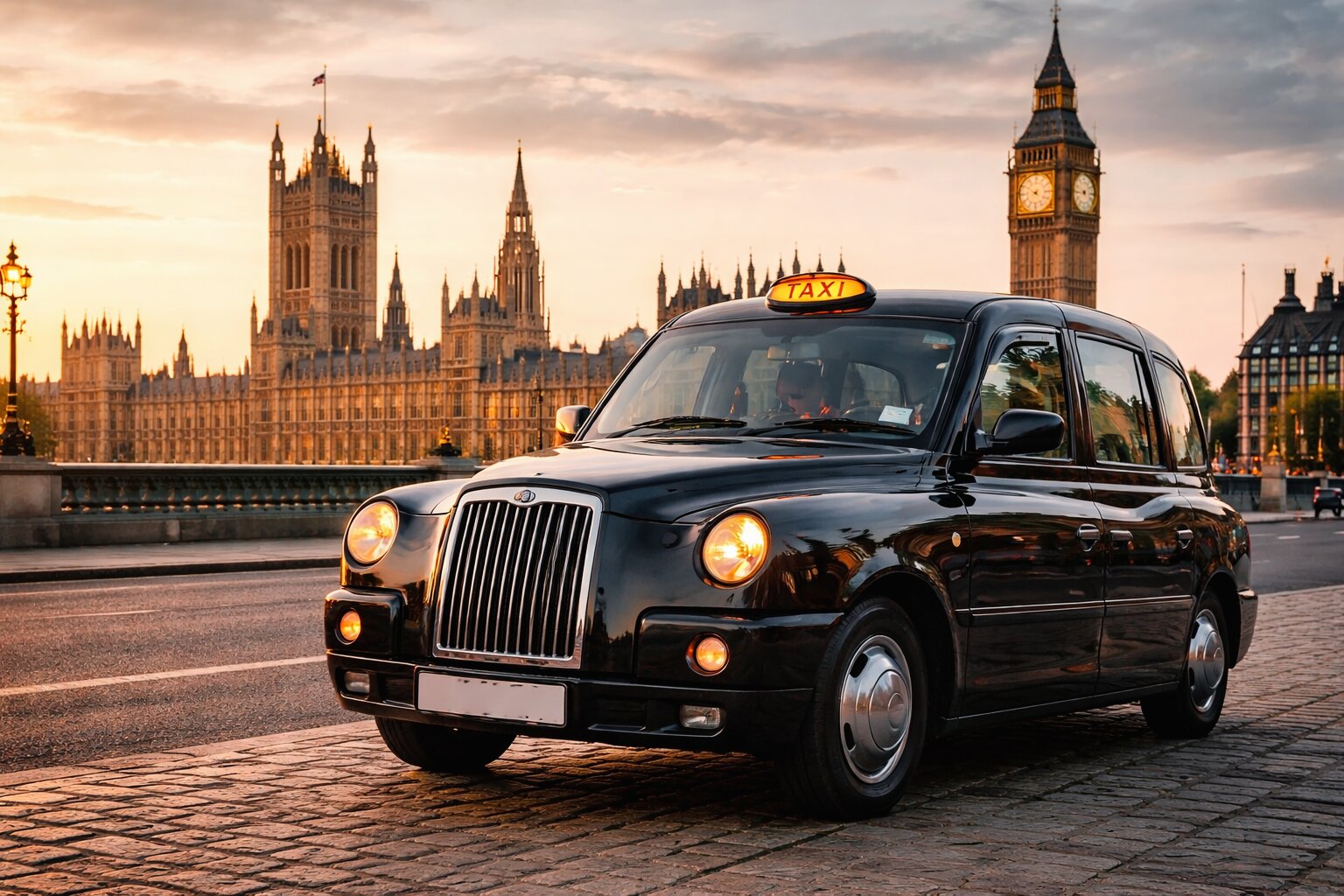
Despite these changes, the traditional black cab remains one of the most recognizable vehicles in the world.
Challenges Facing the London Taxi Industry
In recent years, the London taxi industry has faced new challenges. Ride-hailing platforms and private hire services have created strong competition for traditional taxis.
The number of licensed black cabs in London has declined in the past decade, partly because of the cost of new electric vehicles and the difficulty of passing the Knowledge test.
However, black cabs remain an essential part of London’s transportation system. They are widely respected for their safety, accessibility, and professional standards.
Many experts believe that with continued innovation and support, the iconic London taxi will remain part of the city’s identity for many years to come. This taxi has reflected the local culture of London and England as a whole.
Conclusion
The history of London taxis is closely tied to the history of the city itself. From the horse-drawn hackney carriages of the 1600s to modern electric vehicles, London’s taxis have continuously evolved to meet the needs of a growing metropolis.
Along the way, they developed traditions that make them unique: strict licensing rules, the famous Knowledge test, and a distinctive vehicle design recognized around the world.
Even in an era of digital navigation and ride-sharing apps, the London black cab continues to represent reliability, expertise, and a proud transport heritage.