London is one of the busiest cities in the world, with millions of residents, commuters, and tourists moving across the capital every day. While the Underground and buses handle a large share of public transport, taxis remain an essential part of London’s mobility system. Black cabs and private hire vehicles provide direct, door-to-door journeys that many travelers prefer, especially when carrying luggage, traveling late at night, or heading to airports.
Some routes are used far more frequently than others. These journeys connect London’s major transport hubs, business districts, and tourist landmarks. Understanding the most traveled taxi routes in London can help travelers plan their journeys better and understand how the city’s taxi network supports everyday mobility.
Airport Transfers: The Busiest Taxi Journeys
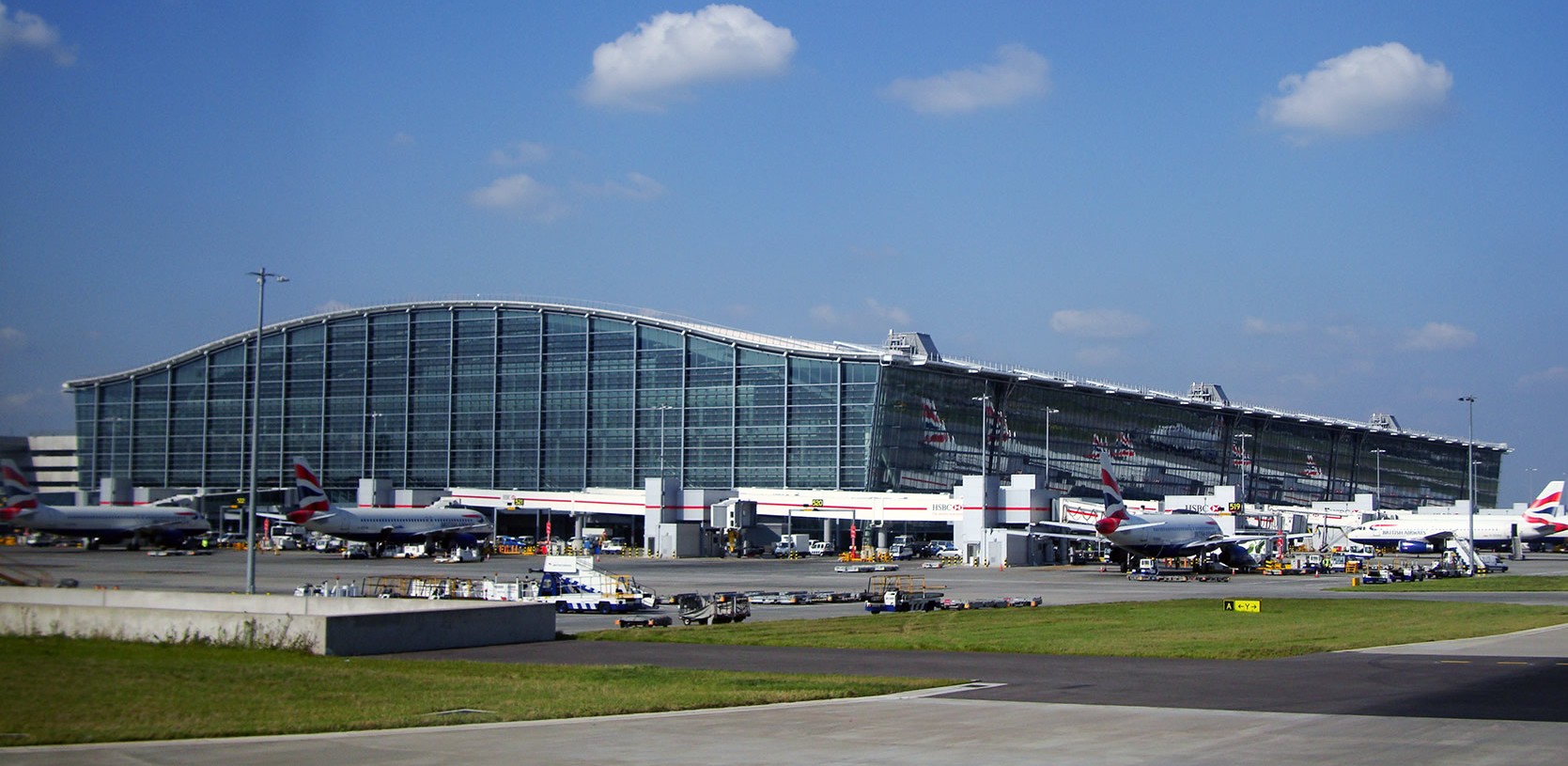
One of the most common taxi journeys in London is the route between central London and major airports. Every year, millions of travelers arrive at airports such as Heathrow, Gatwick, Stansted, and Luton, creating constant demand for reliable taxi transfers.
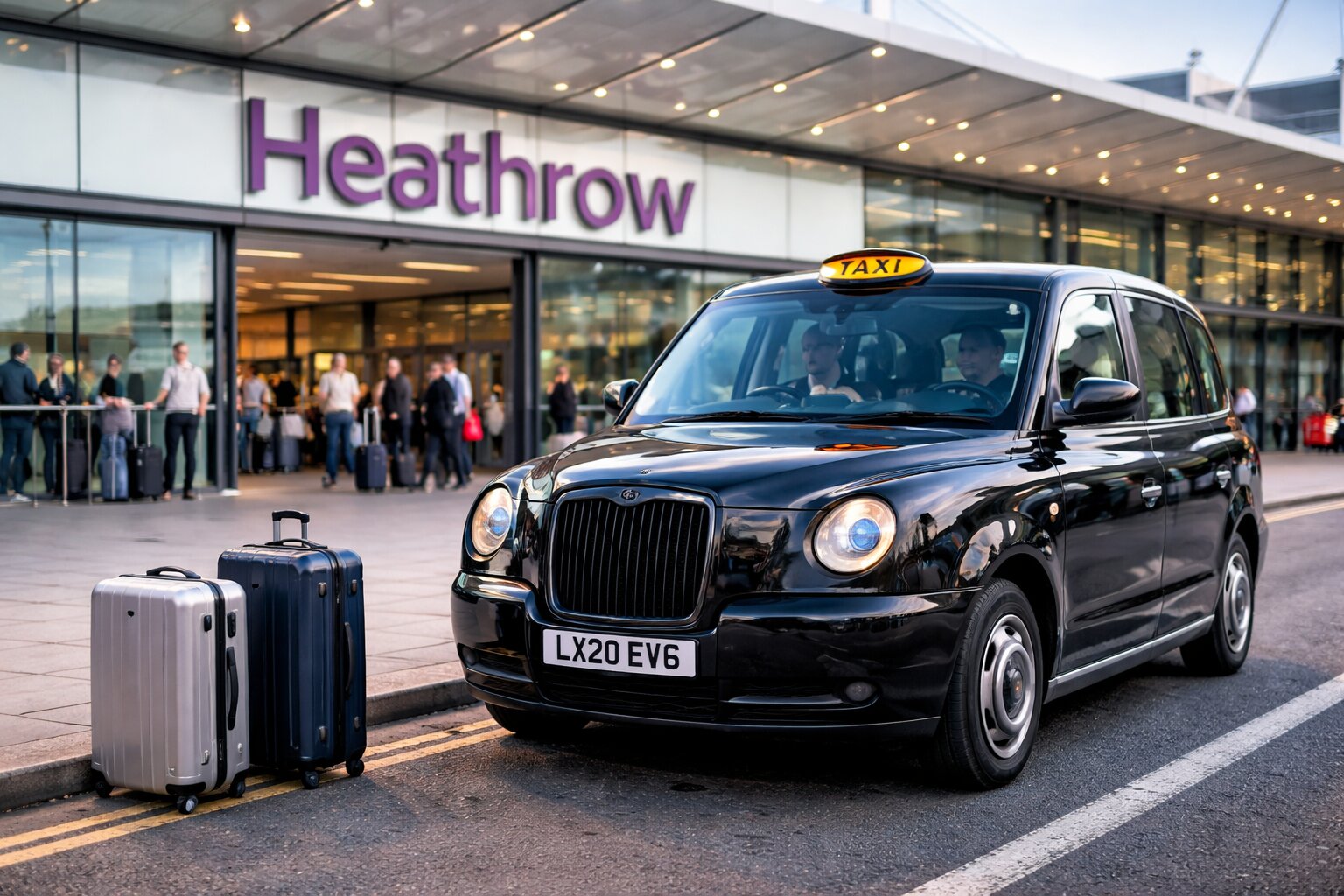
The journey from Heathrow Airport to central London is widely considered the busiest airport taxi route in the capital. Depending on traffic, the trip usually takes between 30 and 60 minutes and can cost roughly £80 to £120 when using a traditional black cab.
Another heavily traveled route is central London to Gatwick Airport, which serves millions of international passengers each year. Taxi fares typically range between £110 and £160 depending on distance and traffic conditions.
Routes connecting central London to Stansted Airport and Luton Airport are also very common, especially for travelers using budget airlines. These journeys can take around 60–100 minutes and represent some of the longest but most requested taxi trips in the city.
Airport transfers remain a major part of the taxi industry because they provide convenience and direct transportation between terminals and hotels or homes. For travelers with heavy luggage or tight schedules, taxis often provide the most practical option.
King’s Cross to Oxford Street
Another frequently traveled taxi route connects King’s Cross Station with Oxford Street, one of London’s most famous shopping areas.
King’s Cross is one of the busiest railway stations in the United Kingdom, serving long-distance trains, regional rail services, and several Underground lines. Many passengers arriving here choose taxis for a quick ride into the West End.
The trip from King’s Cross to Oxford Street typically takes around 10–20 minutes depending on traffic conditions. Taxi fares usually range between £12 and £25 for this short journey.
This route is especially popular with tourists, shoppers, and business travelers staying in nearby hotels. Oxford Street itself is one of the busiest retail streets in Europe, which means taxi demand remains high throughout the day.
London City Airport to the Financial District
Business travelers frequently use taxis between London City Airport and the nearby financial districts of Canary Wharf and the City of London.
London City Airport is located only a few miles from central business areas, making it the preferred airport for many European business flights. Taxi journeys from the airport to central London typically take about 20 to 30 minutes depending on traffic conditions.
Because many passengers traveling through this airport are professionals or executives with tight schedules, taxis provide a fast and convenient alternative to public transport.
This route also highlights the important role taxis play in supporting London’s business environment by connecting airports directly with offices and hotels.
Stratford to Central London
Another common taxi route links Stratford in East London to central districts such as the West End.
Stratford has become a major transport hub following the 2012 Olympic Games and the development of Westfield Stratford City shopping centre. The area now connects national rail lines, Underground services, and the Elizabeth Line.
Taxi rides from Stratford to central London generally cost between £20 and £45 depending on distance and traffic levels.
This route is frequently used by commuters, shoppers, and tourists attending events at venues such as the London Stadium or the O2 Arena.
Central London Tourist Routes
Tourism also drives many of London’s taxi journeys. Visitors often use taxis to move between the city’s most famous landmarks.
Popular tourist taxi routes include journeys between locations such as Trafalgar Square, Buckingham Palace, Westminster, and the Tower of London. These destinations are relatively close to each other but often crowded, making taxis a convenient option for travelers who want a comfortable ride between attractions.
Many of these routes run along major roads such as Tottenham Court Road, which connects important areas in central London and passes through key districts including the West End.
Taxi drivers with extensive local knowledge can often suggest the fastest routes or recommend nearby attractions during the journey.
Why Certain Taxi Routes Are So Popular
Several factors explain why some taxi routes are used far more often than others.
First, airports generate a large portion of taxi demand. Travelers frequently prefer direct transportation rather than navigating complex public transport systems with luggage.
Second, major train stations such as King’s Cross, Paddington, and Victoria serve as key transport hubs. Many passengers arriving by train take taxis to their final destination in central London.
Third, London’s tourism industry creates constant demand for short taxi journeys between hotels, attractions, and entertainment districts.
Finally, taxis are especially useful during late-night hours when public transport services may be limited. For many people, taxis offer a safe and reliable way to travel after evening events or flights.
The Role of Taxis in London’s Transport Network
Although the London Underground carries the largest share of daily commuters, taxis remain an important complement to the city’s transport system.
Transport surveys show that many taxi journeys both start and end within central or inner London, highlighting their role in short-distance urban travel.
Unlike trains or buses, taxis offer flexibility. Passengers can travel directly from door to door without changing routes or walking long distances.
This flexibility makes taxis especially valuable for airport transfers, business travel, tourism, and late-night transportation.
Conclusion
London’s taxi network supports millions of journeys each year, connecting airports, train stations, tourist attractions, and business districts. Some routes are used far more frequently than others, particularly those linking central London with major airports and transport hubs.
Journeys such as Heathrow to central London, King’s Cross to Oxford Street, and Stratford to the West End remain among the most traveled taxi routes in the capital. These routes reflect the city’s unique mix of tourism, business activity, and international travel.
Even as technology and ride-sharing services continue to change urban mobility, taxis remain an essential part of London’s transportation system, offering reliable and convenient travel across one of the world’s busiest cities.